This coming week is the festival of Purim, in which the scroll of Esther is read. In a crucial scene, the book’s male protagonist, Mordechai refuses to bow to the arrogant Vizier of Persia. Due to this arrogance, the Vizier plots revenge against all Mordechai’s people, the Jews. We wear costumes, and are commanded to get fragrant levasumei in Hebrew (with wine?) until we can’t tell the difference between ‘cursed be the bad guy’, Haman in this case, and blessed be Mordechai! Interestingly the entire book of Esther is political satire against the powers that were: It begins with the King’s 180 day drinking party, the only rule is “no rules” and when it ends the King declares … another party!
Earlier this week, during Vizier’s state of the Union Address to congress, a woman of color refused to sit down when told, to silently protest the use of racism in the policies and speech. She was arrested and manhandled, re-injuring a shoulder which was injured in a January by federal agents. Story here. We are badly in need of political satire, to laugh at the impossible and cruel way of the rich and powerful, and along comes Purim. (I call Purim the “Jewish mardi gras”)
This week’s Torah reading begins with G8d saying: command the Israelites to bring clear beaten oil from olives to keep a light burning at night in the Mishkan the portable sanctuary, and to light it each and every night upon the golden menorah that looks like an almond tree. The original night light is where no one can see it: within the Tent of Meeting in the mishkan’s innermost chamber. It then goes on to speak of the inspired tailors who should be chosen to make the “uniforms” of those who will serve G8d in this traveling sanctuary, and to spell out the materials and specifics of the wardrobe.
Hidden beauty and Passion connects all of these things: The menorah, the Holiday of Purim, the robes of the Kohen Gadol
- Hiddenness in the Menorah: The olive contains within it the pure oil hidden within it. The olives are like the Israelites who are bidden to bring the olives, and who have within them pure fuel, passion in faith and to love one another and to love G8d. From the combination of wick and olive oil will emerge flame – also a hidden potential within the fuel, the flame lets out the beauty that was always there. Hidden in the design of the menorah itself is the pattern of an almond tree. There was worship of a tree Goddess in Biblical times, Asherah was her name, until the time Josiah uncovered the book of Deuteronomy and it was outlawed. Hidden in placement, the menorah is within the innermost center of the mishkan, where only the kohanim and G8d can see it! I suggest: don’t hide your flame, but don’t let it consume you either
- Hiddenness in the holiday of Purim: So many things are hidden in the Book of Esther: starting with Esther’s name, which means “hidden”. She hides her Hebrew name and her Jewishness, she is hidden within the palace, G8d’s name is hidden in the book, it does not appear. Esther hides her intentions after she approaches the king, taking a subtle tack. We wear masks which both hide who we are, and reveal hidden identities waiting to come out. We hide our serious, judgemental side for the day. We are bidden to be silly, to play, to let it “all hang out”
- Hiddenness in the clothing of the Kohanim (priests) This one seems a bit more obvious: Clothing hides the “human animal” giving dignity, artistic flair, both concealing who we are and revealing it. The clothing of the Kohanim is supposed to somehow transform them into creatures worthy of representing the community to G8d, and being able to withstand the presence of G8d. The voice of G8d will then come from that potential space between the K’ruvim Golden cherubs who spread their wings over the arc of the pact. But as we know from history and today’s headlines, some seek the power that the uniform, the fancy clothing conveys, and are nothing but a human animal within their clothes. Others have imposter syndrome and don’t feel worthy although they are.
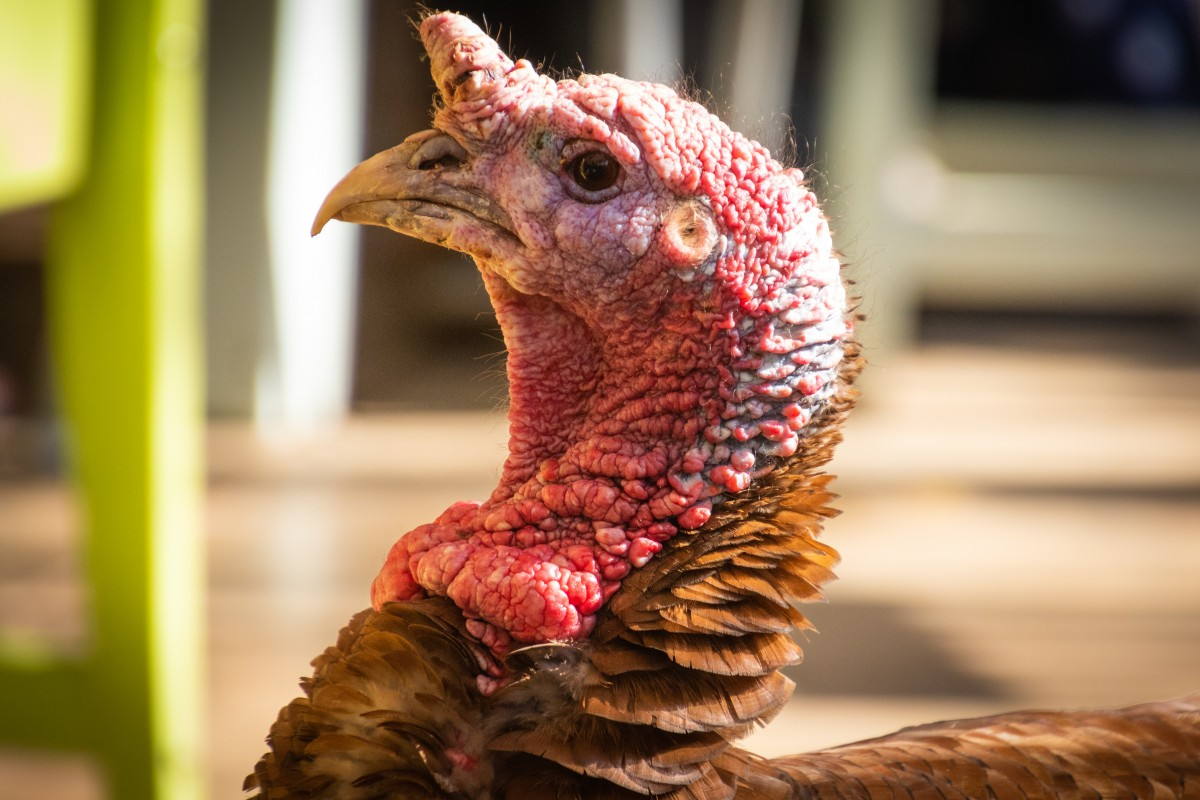
Back to the headlines: Many leaders in the world wear the trappings of Dignity and Leadership, yet inside is the only same craving of power we know from Biblical times. A story by Reb Nachman of Bretzlov tells of the son of King who is convinced he is a Turkish bird, strips all his clothing, retreats under the table and refuses to do or say anything except for pecking grain under the table. Feel free to read here. In one version of the story, the prince still crows every once in awhile. How much do the trappings of dignity, honor and rule make a person that way? How much do they hide the hypocrisy inside? Which of us is exempt from this self examination? It seems that history is reflecting the text of Torah and Esther this week. May G8d’s rules of justice and kindness be revealed through our actions, in this time of hidden things.
 Miryam's Space
Leave a comment