Torah for now

Archive for February, 2026

Hidden in Plain Sight

This coming week is the festival of Purim, in which the scroll of Esther is read. In a crucial scene, the book’s male protagonist, Mordechai refuses to bow to the arrogant Vizier of Persia. Due to this arrogance, the Vizier plots revenge against all Mordechai’s people, the Jews. We wear costumes, and are commanded to get fragrant levasumei in Hebrew (with wine?) until we can’t tell the difference between ‘cursed be the bad guy’, Haman in this case, and blessed be Mordechai! Interestingly the entire book of Esther is political satire against the powers that were: It begins with the King’s 180 day drinking party, the only rule is “no rules” and when it ends the King declares … another party!

Earlier this week, during Vizier’s state of the Union Address to congress, a woman of color refused to sit down when told, to silently protest the use of racism in the policies and speech. She was arrested and manhandled, re-injuring a shoulder which was injured in a January by federal agents. Story here. We are badly in need of political satire, to laugh at the impossible and cruel way of the rich and powerful, and along comes Purim. (I call Purim the “Jewish mardi gras”)

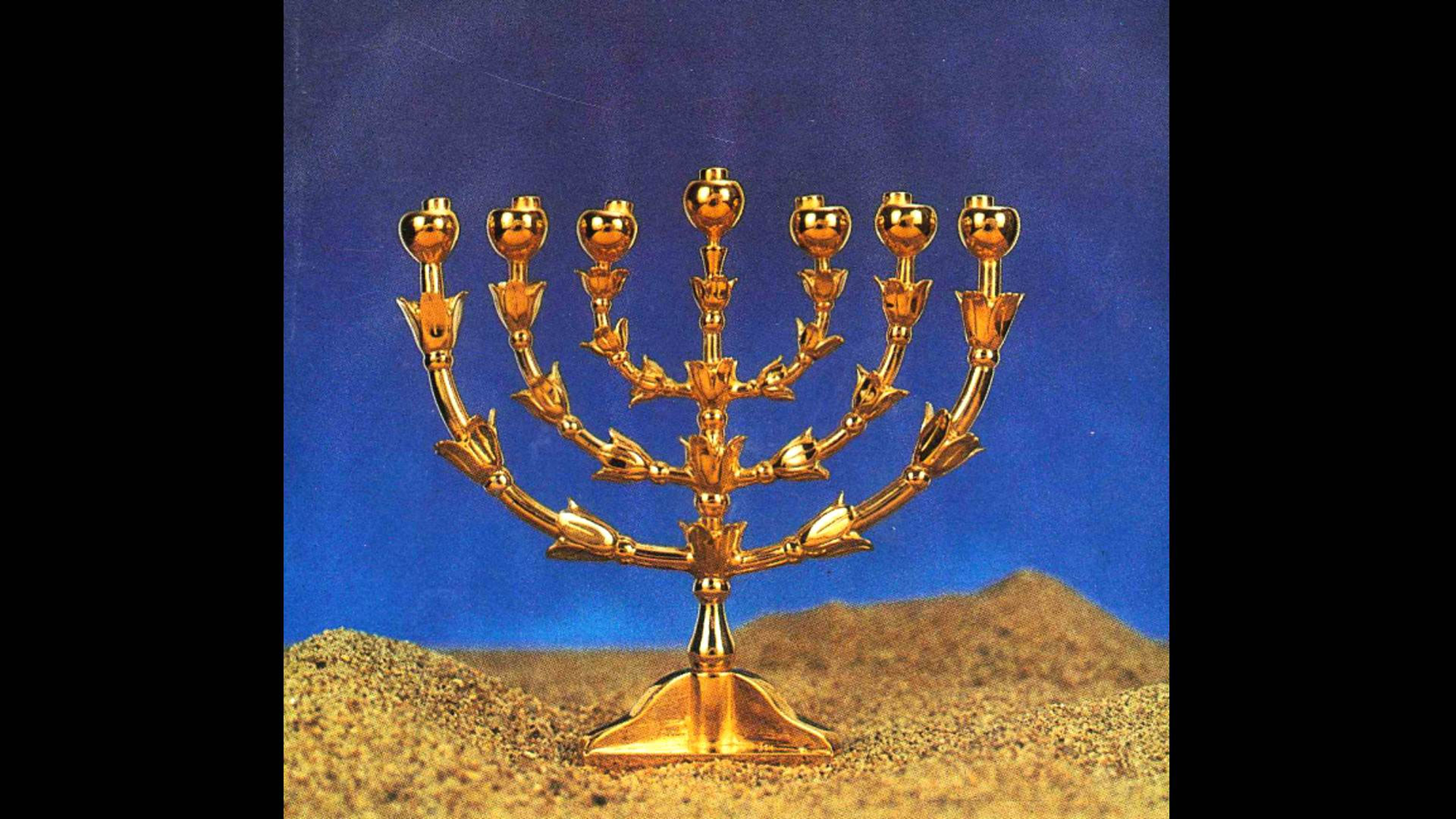
This week’s Torah reading begins with G8d saying: command the Israelites to bring clear beaten oil from olives to keep a light burning at night in the Mishkan the portable sanctuary, and to light it each and every night upon the golden menorah that looks like an almond tree. The original night light is where no one can see it: within the Tent of Meeting in the mishkan’s innermost chamber. It then goes on to speak of the inspired tailors who should be chosen to make the “uniforms” of those who will serve G8d in this traveling sanctuary, and to spell out the materials and specifics of the wardrobe.

Hidden beauty and Passion connects all of these things: The menorah, the Holiday of Purim, the robes of the Kohen Gadol

  1. Hiddenness in the Menorah: The olive contains within it the pure oil hidden within it. The olives are like the Israelites who are bidden to bring the olives, and who have within them pure fuel, passion in faith and to love one another and to love G8d. From the combination of wick and olive oil will emerge flame – also a hidden potential within the fuel, the flame lets out the beauty that was always there. Hidden in the design of the menorah itself is the pattern of an almond tree. There was worship of a tree Goddess in Biblical times, Asherah was her name, until the time Josiah uncovered the book of Deuteronomy and it was outlawed. Hidden in placement, the menorah is within the innermost center of the mishkan, where only the kohanim and G8d can see it! I suggest: don’t hide your flame, but don’t let it consume you either
  2. Hiddenness in the holiday of Purim: So many things are hidden in the Book of Esther: starting with Esther’s name, which means “hidden”. She hides her Hebrew name and her Jewishness, she is hidden within the palace, G8d’s name is hidden in the book, it does not appear. Esther hides her intentions after she approaches the king, taking a subtle tack. We wear masks which both hide who we are, and reveal hidden identities waiting to come out. We hide our serious, judgemental side for the day. We are bidden to be silly, to play, to let it “all hang out”
  3. Hiddenness in the clothing of the Kohanim (priests) This one seems a bit more obvious: Clothing hides the “human animal” giving dignity, artistic flair, both concealing who we are and revealing it. The clothing of the Kohanim is supposed to somehow transform them into creatures worthy of representing the community to G8d, and being able to withstand the presence of G8d. The voice of G8d will then come from that potential space between the K’ruvim Golden cherubs who spread their wings over the arc of the pact. But as we know from history and today’s headlines, some seek the power that the uniform, the fancy clothing conveys, and are nothing but a human animal within their clothes. Others have imposter syndrome and don’t feel worthy although they are.

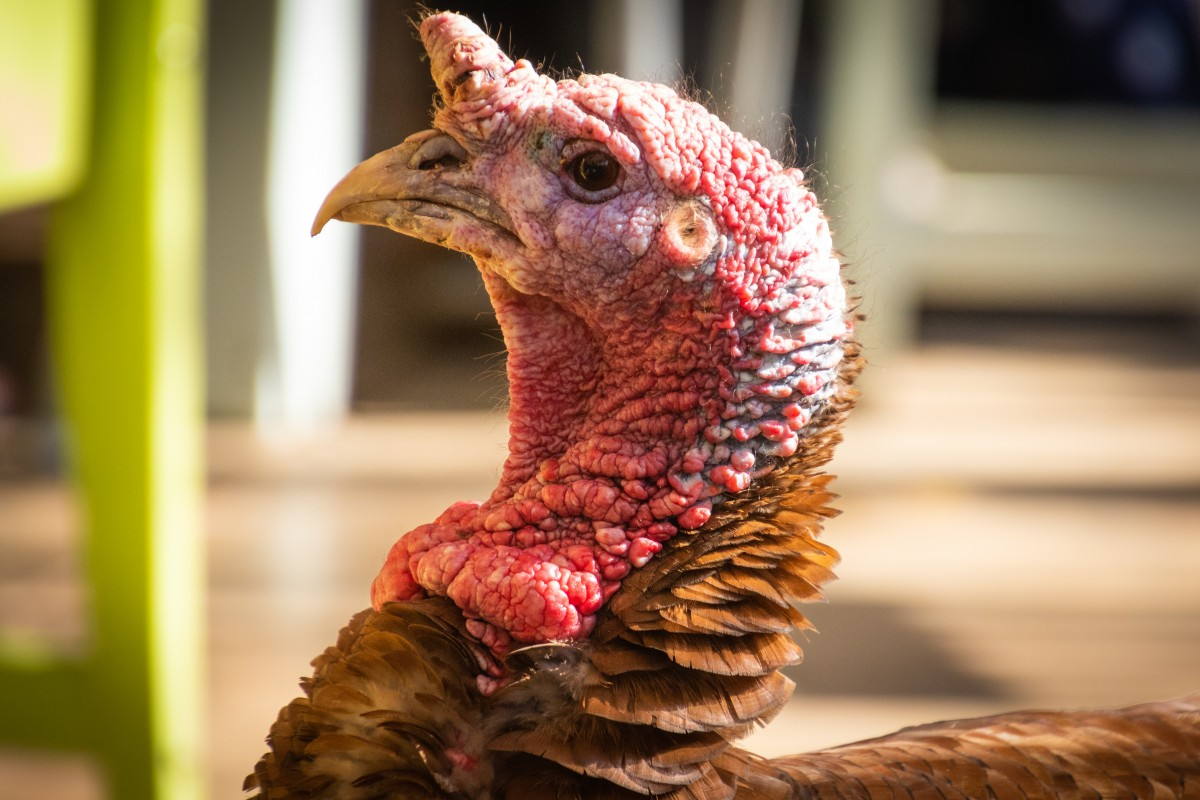
Back to the headlines: Many leaders in the world wear the trappings of Dignity and Leadership, yet inside is the only same craving of power we know from Biblical times. A story by Reb Nachman of Bretzlov tells of the son of King who is convinced he is a Turkish bird, strips all his clothing, retreats under the table and refuses to do or say anything except for pecking grain under the table. Feel free to read here. In one version of the story, the prince still crows every once in awhile. How much do the trappings of dignity, honor and rule make a person that way? How much do they hide the hypocrisy inside? Which of us is exempt from this self examination? It seems that history is reflecting the text of Torah and Esther this week. May G8d’s rules of justice and kindness be revealed through our actions, in this time of hidden things.
Make me a sanctuary so I may Dwell in your midst

The awe, and the trembling and the fire are over in this week’s Torah reading, Teruma (meaning gifts to the sanctuary). The reading, and much of the rest of Exodus are instructions for building a portable tent/sanctuary to take G8d with them. This sanctuary would be made together, from Divine design, from donations given from the hearts of those who were moved and inspired. As I was preparing for this post, I re-read a story I had told from awhile back that moved me and meant something different this time. It’s about a young man in search of G8d, who leaves his parents upon hearing of a wonderful Rebbe to journey and learn the secrets of finding G8d. When he arrives at the Rebbe’s house, the kindly Rebbe tells him “Dovid, you’re not ready yet. First built a house to live in, then return and we shall talk further” He tells his story, makes friends, and together they help him build a house. But, of course, when Dovid returns the wise teacher has another task: get yourself a job, and then another and another. After awhile, Dovid has a new life with friends, a new family, a career. With his advice, Dovid finds G8d, not in the starry heavens, but in the loving, supportive network of the relationships in his life – the sum total of them is sublime and Divine. Don’t get me wrong, G8d is both immanent and transcendent: in the starry heavens as well as in the loving bonds between friends and family and the earth and G8d.

The verse in Terumah that is so inspiring is God’s command to the Israelites: Build me a sanctuary that I may dwell among them. It doesn’t say “that I may dwell in it”, rather “in them” The human heart is one place G8d can dwell, or in the relationships among members of the families and communities. But what occurred to me for the first time, is that our lives can be a mishkan, a sanctuary through time: The years of our lives can be the mishkan ! If we are open to letting G8d in, open to the hearts and faces of the people we encounter our very lives can be a holy space. What do you think – How can we accomplish this?

Love the immigrant?!

In Exodus chapter 24, Moshe, Aaron, Nadav and Avihu as well as 70 elders Ascend and SEE G8D! Just what led up to this?

Many laws and rules, of Mishpatim, including the first time that we are commanded (out of 36 times according to Rashi) not to oppress the ger, the immigrant. Sources here This command not to harm is repeated in this week’s reading, eventually evolving into the repeated command to love the immigrant. No other love is commanded twice by G8d! The term “ger”, has been variously translated. It means the one who does not come from the land, not native, ie. an immigrant. (Rabbi Shai Held)

Why and How: Why does G8d command love, and How can we cultivate love? The answer to the first question is given in the text: because we were immigrants, and we were oppressed. The command repeated more often than any other mitzvah is what is the take-away from our experiences of oppression. “Hate cannot drive out hate, only love can do that” says the Rev Dr. Martin Luther King, and “The only thing stronger than hate is love” was flashed on the Superbowl halftime screen. Not an easy pathway. We know the “soul” the feeling of being the oppressed outsider, with no-one to defend ourselves against the powers that be. Perhaps you, like I, knew that feeling at public school (beautifully shown in the animated film Inside Out) The Jewish people have been refugees for a couple of thousand years. Forced to flee the home that we could not abide due to oppression, hatred, taxed into abject poverty, rounded up into concentration camps, we fled. We have had reason to be angry and insular “What do you do with the mad that you feel,… when the whole wide world seems oh so wrong and nothing you do seems very right?” asks Mr. Rogers. The enslaved could turn to oppressors. It is easy to fall -as abused children grow into abusers and pit bulls into monsters. This is why the command not to oppress is repeated so often.

But what of the second question: how can you cultivate love? A pathway has been placed within the same Torah reading: to do loving deeds, and then we will be able to hear G8d’s voice. First, a little background as to where we are in the Torah saga. Two weeks ago in Exodus we were redeemed at the Sea of Reeds against all odds. Three months later, we stood at Mount Sinai and received the first Ten offerings from the Voice of the Holy One. Unable to withstand the intensity of Revelation, The people ask Moses to go up alone to get the rest of G8d’s instructions. Now we get a whole bunch of criminal and civil laws, including the first two instances of not oppressing the immigrant. At the end of this week’s reading, Exodus:24 Moses and Aaron and 70 elders will ascend the mountain part way and bow from afar. Moses arranges sacrifices to represent a covenant, and reads the laws of the covenant to the people. The people respond in a that has sparked much commentary through the ages: All that G8d has spoken, we will do and we will hear. (Exodus 24:8) Such faith did they show, that the “doing” would precede the hearing. This is the answer that the text provides: Love first, and we will be able to hear everything better: we will understand “being in someone else’s shoes” we will gain empathy AND we will be able to more deeply experience a spiritual life. Proof-text for this is Exodus where Moshe (Moses) Aharon (Aaron), Aharon’s sons and 70 elders SEE the Blessed Holy one (Exodus 24:10). First love, see the divine in the immigrant’s face, then more love will follow. And perhaps when we climb our own life’s mountains, we can even glimpse the Divine Presence.

An original song, dedicated to 5 year old Liam Conejo Ramos, Age 5, forced to lead agents to his family’s door

LOVE THE IMMIGRANT Miryam Wolfson

A little boy cries in the icy night

Though they hear him no one comes to hold him tight

No one makes it right, or reunites

The world seems too big and too cold

Without Papa beside him to hold  

Love the immigrant, they are not below you

Love the immigrant, you know their soul

Hear their cries and know

You can be part of the healing, 

To make things whole

Naaseh v’nishma, We will help and then truly hear

When we comfort and dry the tears 

It can open the way

To be free, to live in dignity

Naaseh v’nishma,  

Let us open our hearts and our minds

Cause there will always be mountains to climb

We can truly be there, 

even gather a glimpse of Divine

Love the immigrant, they are not below you

Love the immigrant, we know their soul

Hear their cries and know

we  must be part of the healing, 

make ourselves whole

You already know how it goes don’t you remember,

We were refugees enslaved by tyranny

You’ve heard this song before

You’ve been so far from safety, from home

You know what it’s like

To be an outcast,scared and alone.

On Eagle’s wings: Torah of the hands.

This week in Torah we read about the encounter on a mountain in the desert of Sinai.

I have a favorite verse in the lead up to revelation, Ex 19:4

“You yourselves have seen
what I did to Egypt,
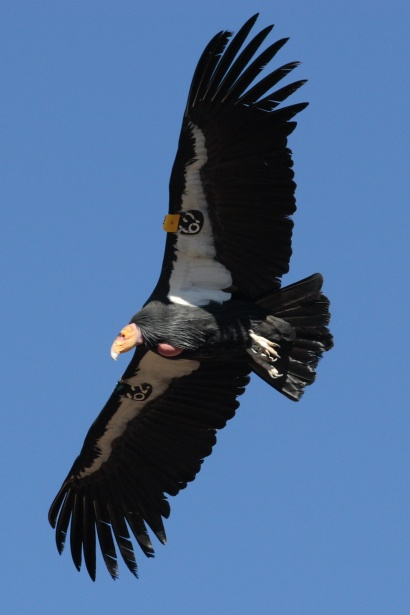
how I bore you on eagles’ (or more likely condor’s/vulture’s) wings and brought you to me”.

Yes, aquatic birds, such as ducks and swans and coots do carry their nestlings on their backs. Condors, hawks and eagles don’t literally. (Check out these sweet images from Animals Daily). It does remind me of the trips across the ocean many of our grandparents took, and many are still taking, to the safety of foreign shores for the sake of their children The term for eagle’s wings in Hebrew is kanfei n’sharim. The word kanaf is found in the third paragraph of the Shema, where we are commanded to place a thread of blue on the fringes of the kanaf! Birds don’t carry their young through the sky, but our tallit, with its “wings” just might, if the journey is a spiritual one. Uplifted by feeling the Presence of the Holy One of Blessing, we can live this beautiful metaphor. The fact that it’s poetic metaphor the words: “you have all seen”. Our eyes can fool us, we will soon see the thunder at Sinai.

And indeed, according to Midrash (Mehilta Ex 15:2) the least of the slave girls who crossed the Sea of Reeds saw more than the prophet Ezekiel did in his crazy psychedelic visions!* Following this intimate encounter, the folks who experienced Redemption at the sea travel for three days to camp in a place called Refidim. There they complain to Moshe of thirst, and sarcastically ask if there weren’t enough graves in Egypt that he had to lead them to this wilderness. Their complaints have been seen as lacking not water, but Torah of their hands! According to Or HaChayim, (Morocco, 1700s) Refidim is an allusion to רפיון ידים R’fiyon yadayim, or “slacking of the hands” from Torah. What kind of Torah do you do with your hands? Perhaps caring for one another! They have not yet arrived at Sinai, so have not actually heard Torah revealed yet.

We have been carried on The Wings of G8d, protected, borne skyward, inspired. But we will die of thirst if we don’t walk the talk. We have reached Sinai, but there are warnings: “don’t climb the mountain, or even touch it” Why should there be limits on connecting to the Holy One? Midrash says we were all standing at Sinai, not just those standing there that day, but those not even born yet. We all heard the voice of G8d speak the Ten Important Things, or at least the first letter, and we all had the synesthetic experience: All the people saw the thunder! We were all amateur prophets. But in the same way that Jacob never climbs his ladder, we are not to climb Sinai. There must be limits on the mountain perhaps because we’d get stuck there and forget to care for the widow, orphan and the immigrant. The Torah of the hands is crucial, and accepting limitations is hard to grapple with. When Moshe burns with the fire of inspiration at the beginning of his journey, the miracle of the “burning bush” is that it is not consumed or destroyed by the burning. The world needs a lot of healing. There is a lot to be fearful of and angry at. Please take good care to not let these feelings consume. Perhaps the joy of flight can, balanced by the “Torah of the Hands” Can help.

*An amazing modern midrash gives voice and name to this “least of the slave girls” in Rabbi Jill Hammer’s book Sisters at Sinai

Source page on Sefaria

A condor in flight. A Nesher in Hebrew is similar. This is a California condor, which is, G8d-willing, being brought back from the very brink of extinction by