Torah for now

Light within dark times.

Sometimes I feel like I’m surrounded by darkness. Now is such a time. There is lack of empathy for the most vulnerable among us, immorality at the highest level of government, and a populace which supports and (in some countries) has democratically chosen such leaders. There is blindness to climate change, which is damaging our life support system, and is affecting us all, but is more devastating those who already have the least among us. In this darkness, where is the light?

The Torah portion read this week, parashat Bo, includes the final three “signs and wonders” which afflict Egypt, all of which involve increasing darkness, culminating in the darkness of death. Focusing on the ninth sign “choshech/darkness”, it is no ordinary darkness, but one which is substantial, can be felt. It is described as so dark that you could not,,,,, How would you end that sentence, perhaps: “see your hand before your face”? Rather, it is described as one in which folks could not see “their brother” or sister. This is a moral blindness, a complete lack of empathy. This was not inflicted by G8d*, our Source of Life and Light, but rather The Holy One transformed the invisible into a sign that could be seen by the morally blind. The moment the Egyptians took part in Pharoah’s genocidal decree and helped throw newborn boys in the River, they sowed darkness: no wonder the Nile turned to blood! G8d simply made it apparent, they did not recognize their own brutality. These signs were needed to illustrate a story for the generations, “Who lives, who dies who tells your story..” as Lynn Manuel Miranda wrote – Signs and wonders were needed to open hearts to the pre-existing inhumanity: perhaps in their slave mindset, even the Israelite victims took it for “the way things just were” and the Egyptians so blind so as not to see/care about their fellow human being. This narrative with its signs and wonders was important enough to illustrate dramatically so it could be passed to the children at the seder table.

In seeing the light within the darkness, the parashah begins with “Bo” come, rather than “go” Awareness, daat, intimate knowledge of the laws of decency, of who we are in relation to nature and one another were in exile. See my source page in Sefaria Bo is spelled Bet, Aleph, and the word “bet” means “house” The Aleph, according to Meor Einayim represents the light of G8d, to bright to experience with out the comforting shield of “bet”. The light within the darkness is hidden within the very first word that G8d says in this parashah.

Need more light? Leonard Cohen famously wrote, “there is a crack in everything, that’s how the light gets in” When we are in darkness, the cracks in ourselves and the world are places where light can enter. The pain we are feeling is a sign for where to apply the healing, and how urgently it is needed. And we don’t know with which broken parts of ourselves or our world we can help to liberate this light: so we must bring all we’ve got to bear upon it because we, and all nature is filled with G8d’s light. (See Mevo HaSh’arim on the source page)

There are “signs and wonders” today which point to injustice and lack of empathy. Rabbi Shai Held wrote, in 2017 book, (I had not yet read Naomi Klein’s This changes Everything, 2016″

“Imagine living in a world in which violating the laws of morality leads inexorably to consequences in the world of nature. .. the thought of living in such a universe can be frankly, terrifying.” ~ Rabbi Shai Held: The Heart of Torah, Volume 1:

Global climate change, rapid species extinctions viral plagues, are all signs in which nature herself is revealing the lack of care for nature, and lack of empathy for others, and blindness to own self interest! It’s not “the environment” but our own life support system, designed by G8d and infused with the Presence that we are harming. Yet, our hearts remain heavy, hard, and strong willed (my translation of the three adjectives describing Pharoah’s heart). What will it take for us to become aware?!

Perhaps awareness of the holiness in one another and in nature. I offer my setting of Shiviti,https://soundcloud.com/biomusicmm from psalm 16, which means we must set G8d before us always.

Shiviti Adonai L’negdi Tamid

G8d, I set you before me continually

I know you in the blessings that come to me each day

Sweetened by Gratitude, deepened by sharing them with You

I feel you in the spaces between me and the people I meet

Help me to know that it’s Your light that I see deep in their eyes, deep in their heart

And when I walk in wild places, my head reaching for the skies,

Help me to guard and to keep your garden green by and by

And oh in the darkness, help me be/see the light

And when You feel so far away,

Help me to know that the yearning’s OK,

The yearning can be a pathway.

*I use the 8 rather than the “o” to spell G8d out of respect for this name. The 8 is infinity and represents one step beyond the completion which is 7

How do you respond when you are blamed for some trouble in the world. Or perhaps you are trying to make some “good trouble” as the Rev Dr. Martin Luther King and his wife Coretta did from 1955 with the Montgomery Bus Boycott until Martin and Coretta’s deaths? Martin was arrested multiple times for breaking the law. He won the Nobel Peace Prize for his nonviolent, yet powerful “trouble making” for change In this week’s Torah Portion Va’era, G8d responds to Moshe’s (Moses’) accusation of making life harder for the Israelites with revealing a new name associated with womb like compassion and love. Check it out here on my sources page The new name is unpronounceable, it is like the sound of life and breathing. Crucially G8d is listening, through the criticism, when Moshe thinks NOONE is listening, not Pharoah, nor the Israelites. These times coming are as tough as Martin and Coretta’s. Nobody is listening to climate change leaders fighting for truth and justice, for rights of the poor and oppressed. Clearly G8d is about Chesed and Rachamim, about loving kindness and womb like compassion, rather than wealth and power. May the Holy One of blessing hear our cries!

In response to Anne‘s question, and radio broadcast, I have challenged myself to link Songs and prayers to match to this week’s parashah: Shema YIsrael, which includes the Four letter name of G8d. It is sandwiched by a prayer of the gift of G8d’s love, and the command to love, v’ahavta. Check out my “B’chol levav’cha”

Adonai-Adonai the thirteen attributes of G8d, sung at the festivals, and High Holy Days. Here is Leon Sher/ Ellen Dreskin’s, and my version in response to Jonah, who needs badly to learn of G8d’s love and compassion

Hear their Cries: Love the Stranger from this past post soundfile link included.

When I was a kid, Chanukah was barely celebrated. We lit a menora, and at Grandma’s house got a plastic dreidel (top) filled with chocolate coins. I was taught that Chanukah, which is not mentioned in Torah, is a minor Holiday, enlarged today by it’s proximity to Christmas in America. I propose that it is an ancient, eight day celebration of the winter solstice, that was celebrated by lighting candles at a dark time.

There were once FOUR, rather than three pilgrimage holidays, where one would travel to Jerusalem and give animal and produce sacrifices to the Levites to share, celebrate, give thanks and to support the priestly and Levite class who did not own land. The winter in Canaan however was the rainy season, and the wheels of the wagons would get stuck in mud. Due to the difficulties of travel, this Festival was moved! Tacked on to the prior fall Holiday, Sukkot, it still retains remnants of being a full festival. It is called Shemini Atzeret. It is a separate Holiday from Sukkot, with its own festival blessing. The Festival songs, Hallel, psalms 113-118 are sung in full on each of the eight days of Chanukah! Shemen means oil, as well as being from the root that mans eight. This festival may well have celebrated the oil which lights the dark and cold. Rejecting a solstice celebration, and unable to make the trek to Jerusalem, Chanukah became reduced, replacing a winter festival with a lesser festival of lights.

Atzeret means stop, rest,  just be, and let love filling the spaces within and between (asu li Mikdash v’shachanti b’tocham). I am convinced that this was once, and should be celebrated again on the 8th day of our winter festival, not an addendum, or even a culminating addendum to the fall.  The connections to winter are many, such as the reading of Kohelet, the connection to shemen/oil, which lights our way in the winter darkness as well as our menorahs, and the word Atzeret meaning pause, which the winter weather causes us to take. See this interview with Katherine May on Wintering in a 2021 (covid year) podcast on the power of the winter pause to replenish our inner light.

Chanukah The light of G8d is hidden twice, Firstly, The light of YHVH, or creation, the ohr ganuz is lost and found in the Torah. The light of G8d (Shechinah) expelled with the Temple’s destruction. This light (or both lights) are returned with the kindling of Chanukah candles, perhaps a reflection of the menorah of the mishkan (Tabernacle)! The Mishkan we must rebuild to hold The Holy One’s light is our breathtakingly beautiful, awe inspiring and life-giving planet, that has been beleaguered viciously close to the point of no return. The light of expanded consciousness had to be withdrawn, perhaps G8d knew we would weaponize it. Having discovered the nuclear strong force, we have weaponized it. The light of G8d is more loving, warmer. The eight lights are Holy sparks to inspire the rebuilding of a peaceful and life sustaining planet

There are 70 days from Simchat Torah to Tevet 2nd, the eight day of Chanukah. Perhaps one for each of the other 70 nations, which are gone now that it’s just us and G8d, or the 70 bulls (one per day) now just one sacrificed.

This year three of us studied on the eighth day of Chanukah.  What a joy! I will continue to look for the light of the 8th day, Shemini Atzeret.               

~Diego Baez Excerpt from poem “inheritance”

When my child came into this world she didn’t rock mine or turn it upside down but flipped it inside out, it felt not like a burning fire but like a new chamber opening in my heart. A fourth dimension….

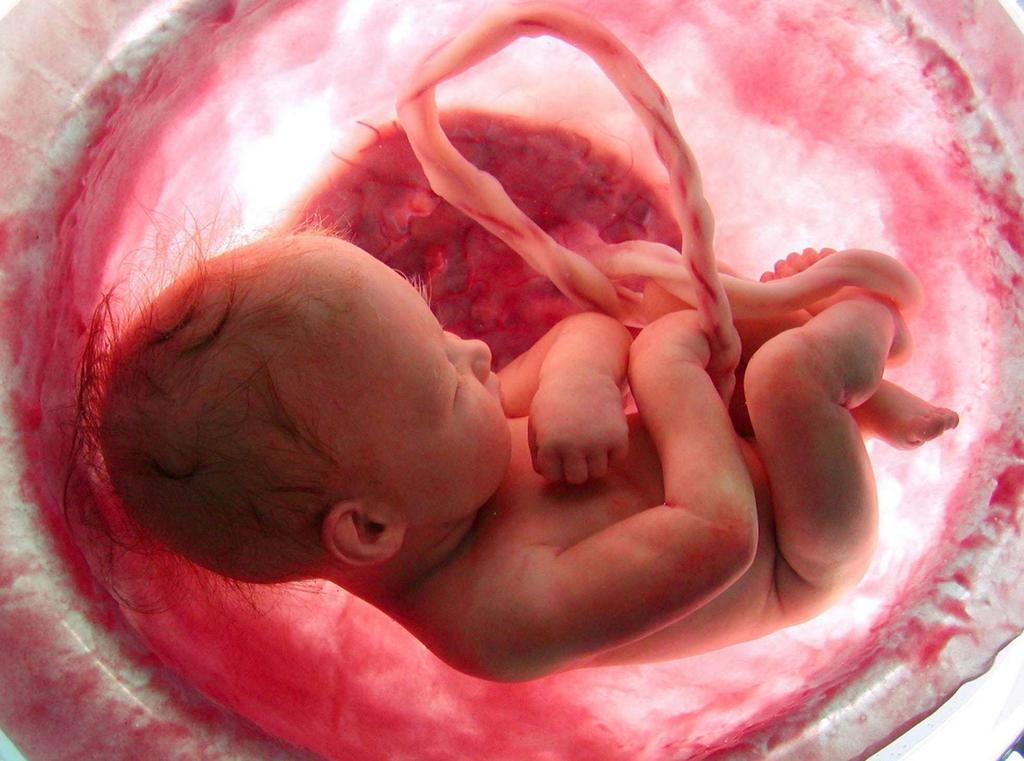
It is unimaginably painful for me to think about losing a child, let alone two! Jacob faces such a loss. In this week’s parashah, Vayigash, Judah almost inexplicably approaches the grand Vizier of Egypt, ie Joseph in disguise, and admits all the secret sordid story of selling their brother into slavery. Told that Benjamin would be enslaved (after finding the planted silver goblet in his sack) Judah says “take me instead” explaining that his father’s heart would be broken. Joseph is so moved, he commands all his staff to leave, cries, and unmasks: “I am Joseph your Brother, does my father live? R’ Shai Held points out that by dismissing his staff, he is vulnerable, it’s 11 against one. Rashi’s (French Medieval commentator) comment, is that he could not bear to shame his brothers by exposing their misdeeds at the expense of his very life! Why would Judah do this, after the brutality of his former life? The humanizing of Judah had everything to do with the birth and loss of his two sons. His admission of a hidden act with Tamar, taking responsibility sets the stage for his stepping forward to Joseph. Tamar, showing incredible courage, when Judah commands her to be burned for being a prostitute, refuses to shame Judah (In a nutshell: she is pregnant with Judah’s child, she tricked him into fathering when he abandoned her to being a “chained woman”/ aguna, after his sons, her husbands, died) Instead she coolly shows the cord, staff and seal of Judah, and explains “this is the father” Judah pronounces, “she is right” He is able to have EMPATHY “em- pathos” to be with someone in their suffering, and make it impossible to break his father’s heart again. To really love is to risk loss. Perhaps that’s why Jacob cried when he kissed Rachel. It is why Joseph cried, for all he had lost, and was his to regain. The ultimate cord of connection, the umbilical cord, never really completely d i s a p p e a r s. To study fully, check out the sources on my Sefaria page . Writ large, this bringing of parents and children aligned in empathy could change the world! “A world of Peace, war will cease, I can see you are me in disguise, gonna wipe the tears from your eyes…”~Ira Scott Levin

I  spent a day last week with one who was dying, body failing, spirit hovering. The hospital machines whirring and spinning, some would soon be removed. “Breathe” urged the loved one to the dying one, when every breath was painful effort. “Breathe” and for him she did for a few more days.

Hevel, merest breath”, is our life, says Qohelet, (Q1:2) Biblical book of wisdom. Yet merest breath is a Divine gift, and cannot be forced.    “It sucks, said the loved one” “Yes” I replied, validating his sorrow and anger.  “Only love is as strong as death,” (shir ha’shirim 8:6 )I suggested, but his need/desire was too great to let go.

  We seek insights on what it means to be alive and in relationship with others. In the ancient Biblical words of Qohelet we find  wisdom to help us gain perspective and understanding of the enormous issues of where G8d is in the passage of time and mortality, and why bad things happen to good people in the presence of a loving G8d. This gift of wisdom is not unique to Jewish literature and also appears in the ancient Chinese wisdom of Lau Tzu’s Tao te Ching. Of the beloved’s strong need for his wife’s breath “…free from desire, you realize the mystery, caught in desire, you see only the manifestations, Yet mystery and manifestations arise from the same source. This source is called darkness. Darkness within darkness, gateway to all understanding” (TTC 1).

The fact that we are here, as unlikely as that is, is a miracle, as are love, and beauty and goodness. These we attribute to a loving G8d.  However, coming to terms with mortality, the inhumanity of some human behavior, illness and suffering can powerfully challenge us. “no amount of effort can make right something truly perverse, and things that are lacking almost never manage to come into existence in a real enough way to count” (Q1:15) says Kohelot, in the gorgeous melody of a trope that paradoxically lifts our spirits. These words validate our fears, acknowledging their weight and their shared human concerns. All people in various cultures who have sought wisdom must deal with such questions. We perhaps reject, as I do, a G8d that micromanages, and can make our team win with supplications or animal sacrifices. Just having lived to pursue goodness may have to be enough. In trying to control and fix the world, we have separated ourselves from it, and created ecological ruin. The technology that protects us, uses resources, creates waste, destroying the natural environment, which we are meant to be a part of, Just as the technology that prolongs death destroys dignity, and we must let go in the end.

In this week’s parashah, Yaakov, who has been the heel-grabber, tries to manipulate things to “win” at life, will finally wrestle with his demons and his intense desires to dominate his brother. He will let his family and wealth  cross over to offer them up to his brother, and there see the face of G8d. Perhaps this can only happen wrestling with the Source  in the darkness. In the mystery he will be blessed with disability and re-Named, yet the Tau warns us. …the Name that can be named is not the eternal Name (TTC:1)

  Qohelet, much like the Tao te Ching, says the world can’t be tampered with, or “you’ll ruin it”,  that the Master sees things as they are without trying to control them (TTC 29)…lets them go their own way. Our technology is “shaping clay into a pot, but it is the emptiness inside that holds what we want.”  (TTC 11)  Qohelet recognizes the  “helvel/emptiness inside”. The river of time and events “flows into the sea, yet the sea is never filled” (Q 1:7). It cannot be stopped, we cannot fight it. The spectre of death is also a(n) hevel/emptiness, but one which gives life infinite meaning. The value of humans is not what we can get out of one other, but is in their bonding. Qohelet says “two are better than one…if the one should fall down, the other one can at least help him up…if someone attacks two can fight (them) off (Q4:9-12).  It is brothers that we need!

 In Jewish tradition, Qohelet is read during Sukkot, our week-long festival spent outside, in a fragile hut, unprotected, and open enough to see the stars, and find our perspective in the larger world. We read Qohelet to know that life is ephemeral, and precious: “Do whatever you can manage to accomplish in this life, because in Sheol you fill find no activity, no reckoning, no knowledge and no wisdom, and that is precisely where you are going!”(Q9:10) 

Similarly, the wisdom of the Tao is reflected in Chinese paintings which offer a different perspective, of human beings as a small part of a much larger creation. We can be liberated by giving up control of things beyond our strength to the heavens, in the words of Qohelet: banish worry from your heart, and regret from your flesh, for childhood (life) lasts as long as a breath. Then when we return to our dwellings, perhaps our roof will be unable to separate us from G8d. Our gratitude will be richer for our blessings, and a full harvest, or even death will not harden our hearts. If he can let her go, their love can survive beyond her body.  Perhaps the harmful dramas will abate as we relinquish control. Rather we can be generous with ourselves and others, to “send our bread out onto the water….(and) sow (all) our seeds and not desist even in evening” And emerge into the day and declare “how sweet the light and how good for the eyes to see the sun!” (Qohelet 11:1,6, 10, 7) .

If I can let you go as trees let go
Their leaves, so casually, one by one;
If I can come to know what they do know,
That fall is the release, the consummation,
Lose what I lose to keep what I can keep,
The strong root still alive under the snow,
Love will endure – if I can let you go.

Entering G8d’s Palace

Psalm 27, verse 4, read each day during Elul declares that we have one over-arching request, “to dwell in Your house all the days of my life, and gaze on Divine Beauty. What is this “house?” It is prayed for each early morning: Mah Tovu, what goodness is in this tent (our earthy home)….And as for me, with your great loving kindness, I will go to your house, I will bow in awe in your Holy Palace!

In my Mah Tovu practice each morning, I summon the emotion of awe at this time. However, recently contemplating the discouraging happenings, during these difficult times, I recall the “palace on fire” (birah doleket) from Midrash on Lech L’chah, where Avraham sees a beautiful palace on fire, and seemingly without a Master, when G8d answers him, “I am the master” of the palace on fire.

Perhaps the reason we cultivate love and awe at the world, a palace on fire, is to enter the palace, to protect the world we love. We in this nation have voted in power a false “master”, one who is amoral. Simply that should be enough to disqualify. The brilliance of Jewish tradition is that the Divine is not a power hungry god like Zeus, but who is our teacher, and our healer, and urgently cares about our moral integrity. Zeus only cared about his ego. In addition the whole earth is filled with G8d’s “Kavod” This word for “glory” also indicates Shechina, the feminine, indwelling aspect of G8d, the only sephirah directly accessible to us.

Halachah (Jewish law) clearly implies that it should be forbidden to consume fossil fuels due to the damages to future generations, and to Sh’khina herself. Creatures are dying, our children are/future is endangered. (Nina Beth Cardin, Sustainability as Mitzvah)

Fossil fuel  technology however is established and entrenched in our time, in the US it garners most of the public dollars spent on transit, and as such it enables our lives, to connect with our loved ones, to do mitzvot (what G8d wants us to do) to learn, etc. Which of these are the greater of our obligations? This is a terrible conflict of obligations, and calls us to activism to change the situation. The burning of fossil fuels, (among other causes ) also damages G8d’s presence on earth, Sh’chinah herself. This makes living with this technology a series of impossible choices to those on a spiritual path. When Shechina is loved, blessing flows to us. To love G8d is to care for the earth.

The amoral leadership now elected to power in the US is preparing to turn up the dial on fossil fuel use. This looming danger cannot be ignored. As we enter spiritually into this beautiful palace of a planet, “the day is short, the work is great and the Master of the house is pressing” says pirke avot. It is not ours to complete the task, neither are we free just zero it out. We are “eved Elohim” Servants of the most high. Even if we feel overwhelmed and weary. Perhaps Jefferson Smith was right that “Lost Causes are the only ones worth fighting for” (Mr. Smith Goes to Washington)

Each day beginning on the second night of Passover, we count each of the 49 (seven weeks of seven) days until the next major festival, Shavuot, the festival of weeks, which is on the following day. Shavuot celebrates the barley harvest/ an OMER is a sheaf of barley – first harvest of the season, kind of like the strawberries are the first harvest in New Jersey. According to the tradition of Isaac Luria, we do not begin counting on the first day of Pesach, because on that day, we have the gift of light from the heavens, perhaps due to the gift of springtime itself. The songs of the seder open our hearts and our throats, constricted by winter and slavery, and we sing songs of freedom and “enoughness” – Dayenu (meaning each step toward freedom would have been enough!) After discussing in my class with Rabbi Dr. Elliot Ginsburg why on Pesach, contrasted with other Holy Days, the light comes from above, I was singing this song with my Mom at the memory care unit. It’s called “All the Things You Are” by Jerome Kern You are the promised kiss of springtime, that makes the lonely winter seem long. You are the breathless hush of evening, that trembles on the edge of a lovely song. You are the angel glow that lights the star The dearest thing you are, are what you are. Wow, what amazing theology, and that kiss of Springtime, is the gift of Pesach light, perhaps. And who knew, Azi Schwartz recorded it?!

Each day beyond that first day we must generate our own light by fanning the flames of our soul. There are seven “lower” sephirot or facets of the Holy One of Blessing, that are mirrored in our soul. For an explanation of the sephirot, see this video beginning at 7 minutes. Each week of the seven we work on the reflection/fractal of that aspect of ourselves. Each day of the week represents one of those aspects within the week. And so as we count each day, it’s called counting the omer, we count toward Shavuot, which is the day each year we receive the Ten Commandments all over again at Sinai. To be psyched to receive such a gift in real time the omer elevates us, and fans the flame. Here is a link to Open siddur’s all in one chart by Karen Levine, and/or this very full exploration to guide you if you wish to check out the mystical pathway of making each day between the festivals count!

The first day of the counting the omer was 2nd day of Passover. The counting begins at night, because all days in Jewish tradition begin on sundown the night before (similar to how our secular day begins at midnight before) Today I met with my mashpiyah my spiritual and overall guide, Reb Sarah Cohen who suggested I find a creative way to count each day. So thank you Reb Sarah, here it is for today, day Three. Then I’ve chosen for this year’s counting one verse from Tanakh, the Hebrew Bible for each of the sephirot. Next year I may choose other verses from these texts, or YOU can choose your favorite verses to mash up and meditate upon

Each day of Chesed gets a verse from the Song of Songs, I chose chapter 2, verse 10 Arise my love, my fair one and come away,

Gevurah: Strength/structure/boundaries- from book of prophets in haftarah trop. I’ve chosen Jeremiah, the boy prophet 1:17 Al tachat mipnehem – do not break down before them
Tiferet = harmony/balance and beauty, I’ve chosen from psalms – I’ve chosen psalm 85 verses 11 -12 this balance: here is the verse from Sefaria As kindness and truth meet, and righteousness and peace kiss!
Netzach – is endurrance/ victory from Shirat hayam (song at the sea): Ashirah L’Adonai ki Gao Gaa I will sing to the Holy One, who has truly triumphed!
Hod is humility/splendor/gratitude, I chose from Job or Ecclesiastes This year is from Job 39: 11 v’im al pi-ach yagbiyah nasher – Does the Eagle sour on your command?
Yesod -Masculine foundation. Joseph is thought to embody Yesod. Verses from Joseph in Genesis or Joseph the musical (technicolor dreamcoat) This year, I choose I wore my coat, bright colors shining from Any dream will do
Malchut the Feminine immanent Presence of G8d -I chose from Genesis matriarchs in HHD trop VaTomer Sarah tz’hok asah Li Elokim- and Sarah said G8d has made laughter for me.

DAY 3 This is the week of chesed, love. Tonight is tiferet-beauty/harmony sh’b’chesed within love

ק֥וּמִי לָ֛ךְ רַעְיָתִ֥י יָפָתִ֖י וּלְכִי־לָֽךְ׃My beloved spoke thus to me,
“Arise, my darling;
My fair one, come away!

חֶסֶד־וֶאֱמֶ֥ת נִפְגָּ֑שׁוּ צֶ֖דֶק וְשָׁל֣וֹם נָשָֽׁקוּ׃

Faithfulness and truth meet;
justice and well-being kiss.

So I will begin, but if anyone has a good idea for a favorite verse, chime in.
Shir hashirim 2:10 and psalm 85:11 mashup

ESTHER, A Leap of Faith

A Purim Song:

Utzu Eitza b’tufar

Dabru Davar v’lo yakum  Ki Imanu El

Go ahead and make your evil plans, They will fail, they will not stand, for G8d is with us always

This is a beautiful Purim song, about the book of Esther. An ancient farce, political satire that turns all too frighteningly real sometimes. On Purim We actually have the chutzpah to laugh, the need to laugh, the obligation to laugh.  The interesting thing about this song is that it put the reason for our success, not into the hands of Esther or Mordechai but in the Holy One of Blessing, whose name never appears in the Megillah.  It is hidden, much like Esther herself is in hiding. It requires a leap of faith for us to find G8d in the story!

In the land of Shushan, Persia, many years following was a beautiful Jewish girl named Haddassah. But when the king’s men came to uncle Mordechai’s house looking for the most lovely to be queen, she was silenced, told not to reveal her true identity, and given a new name, Esther, from root as nistar, meaning hidden. After being made queen, she busies herself with queenly stuff. She hadn’t been paying attention to the happenings of the kingdom when she is told of Mordechai in sack cloth and ashes –”send him some new clothes”, she orders. She does not want to hear about trouble: hard to blame her, who wants trouble?!  Mordechai then delivers my favorite line of the whole Megillah

Chapter 4:6 “If you keep silent in this crisis, relief and deliverance will come to the Jews from another place, while you and your father’s house will perish. And who knows, perhaps you have risen royal position for just such a crisis.”

Esther is afraid, bc the punishment for one who approaches the king without being summoned  is death. And although Esther is scared she bravely, and with all her wits about her approaches the king: she takes a leap of faith.

In his book G8d in search of Man, Heschel says
The belief in “the hidden miracles” is the basis for the entire Torah.

What does it mean to take a leap of faith, that G8d/ love/ righteousness is with us when things seem hopeless, for Esther, and for us?

Reb Nahman of Breslov explains about a leap of faith, saying, there is a moment on the spiritual path (on the ladder of Return to the One), where one is suspended in space, caught between the rungs. Even if one stretches to full height, the gap is so large that one cannot both have feet on the rung below and your hands on the rung above. One can only jump into thin air, and hang for a moment between, where there is no Ground or sure hand-hold. Such is the practice of emunah, .. That leap of faith.

And perhaps just as we need faith, the Holy One needs our help, and it is Esther, a woman specifically who is G8d’s partner on earth.

Shechina, a feminine facet, or sphirah of the Divine is the indwelling presence, immanent, and all around us, yet hidden in the natural world, I invite to close your eyes, to breathe in. The oxygen is made by green living creatures: we are breathing one another in to existence. Know as you breathe in that Shechinah dwells in you as well as in every other creature, rock and tree of the natural world, you just must be aware. Perhaps you’ve experienced her presence in the magic of the Florida wetlands, or at the ocean, or on a mountaintop. The awful truth is and she is in trouble. We have treated this sacred garden, not as Divine gift, but as a killing field. We need to once serve the more-than-human world with love and care, to be G8d’s partners. The ancient fossil forests burn in a destructive fire, and their wastes fuel scorching, flooding, storms and extinctions. We need to love with our upper heart, to choose life.

And now you’re all tuning out, saying “we’ve heard all this before” You’re possibly saying , “this problem’s too big, there’s nothing we can do”  As Rabbi Marc says, that’s your lower heart, that wants to keep satifying its egoic desires, and not worry about the consequences.  We need to be Esther,  to take a leap of faith, and respond with love and smarts – a feminist approach. It’s so easy to be discouraged.

For me this song, by David Wilcox, tells of the leap of faith of the Esther story

You say you see no hope, you say you see no reason to believe,,

that the world will ever change, you say that Love is foolish to believe,

Cause there’ll always be some (thug) with their greed or with a knife, To take away your daydream, put the fear back in your life.

Look, if someone wrote a play to glorify what’s stronger than hate,

would they not arrange the stage to look as if the hero came too late.

It’s almost in defeat, feeling like the evil side will win,

on the edge of every seat from the moment this whole play begins,

It has been love that mixed the mortar, and it’s love that stacked these stones,

and it’s love that built the stage here, though it looks like we’re alone

In this world set all in shadows, like the night is here to stay,

there is evil cast around us but it’s love that wrote the play,

and in the darkness, love will show the way.

Now the stage is set
You can feel your own heart beating in your chest
This life’s not over yet
So we get up on our feet and do our best
We play against the fear
We play against the reasons not to try
We’re playing for the tears
Burning in the happy angel’s eyes

… For it’s love who mixed the mortar
And it’s love who stacked these stones
And it’s love who made the stage here
Though it feels like we’re alone
In this scene, set in shadows,
Like the night is here to stay
There is evil cast around us
But it’s love that wrote the play
For in this darkness love will show the way

Love/G8d can be hidden. That leap of faith is needed to see that it’s all G8d, that Shechina surrounds us all.

Dayenu is a Jewish climate change activist group. We’ve had enough.  Tonight we ask you to take a leap of faith, as TAO joins hands with Dayenu. Rebekah has some lit. And next week on Purim join us in Davey, and take the first step, write a postcard to show you care.  we do it all for L’Dor VaDor, for our children, and because as Jews we are commanded to choose life, take a leap of faith like Esther.

Or like Elphabah in Wicked

Something has changed within me
Something is not the same
I’m through with playing by the rules
Of someone else’s game

Too late for second-guessing
Too late to go back to sleep
It’s time to trust my instincts
Close my eyes and leap

It’s time to try defying gravity
I think I’ll try defying gravity
Kiss me goodbye, I’m defying gravity
And you won’t bring me down!

Shabbat!

Mizmor Shir Miryam (Margo) Wolfson  Feb 8th

Intro I long for Your, palace in time              

Shabbat menuchah, Shabbat Ahavah, Shabbat bra-chah, Shechinah

Tov    lehodot L’Adonai, Mizmor Shir l’yom haShabbat

Its so good;     to thank the Source,

A psalm, a poem to Shabbat .

My soul thirsts for You,

One day to be true

waters of blessing

Wash over me and you

Shabbat menuchah, Shabbat Ahavah, Shabbat bra–chah, Shechinah

Tov L’hodot, Ladonai Mizmor Shir L’yom hashabbat

Stepping out of my tub; Friday turns so fine

slipping into Shabbes time

Breathing slower, taking in aromas

And the glow on of the hearts surrounding mine

Letting go of dramas, just being mama

Love is rising, peace sublime

ECHAD  LIGHT

SHTAYIM  SKY

SHALOSH  PHOTOSYNTHESIS

ARBAH NEBULAE

HAMESH creatures of the sea and sky

SHEISH CREATURES of the land, with woman and man

SHEVA                SHABBAT DELIGHT

Shabbat menuchah, Shabbat Ahavah, Shabbat bra–chah, Shechinah

Tov L’hodot, Ladonai Mizmor Shir L’yom hashabbat

A story: The beggar with heavy speech, blessed the orphan bride and groom

Time does not exist he explained

Days are made from loving deeds, only then

can time be born

The heart of the world is yearning for

the distant mountain spring,

Each day sings its own melody,

In longing, soaring

Building a palace, on this gorgeous  planet

Carving the way for time to birth this day.

Shabbat menuchah, Shabbat Ahavah, Shabbat bra–chah, Shechinah

Tov    lehodot L’Adonai, Mizmor Shir l’yom haShabbat

YAMA                               WEST

KEDMAH                          EAST

TZAFOFNA                       NORTH

NEGBAH                           SOUTH

ALIYAH                             UP

YORIDAH                          DOWN

MERCAZ                           HEART CENTER

GIVE                   Blue                   

WORK                 Scarlet

BUILD                 Copper

REPAIR                Purple

PULL DOWN BLESSING   Silver

CREATE A DWELLING  Gold

IN THE CENTER OF TIME FOR

LOVE

Shabbat menuchah, Shabbat Ahavah, Shabbat bra–chah, Shechinah

Tov L’hodot, Ladonai Mizmor Shir L’yom hashabbat

– Did you ever get emotional, so that there was a lump, a constriction in your throat, and you were temporarily unable to speak? When The Holy One asks Moses to go to Pharoah and demand “Let my people go” Moshe responds “NO, they won’t listen to me! I have a kabed peh, a heavy mouth u’chvad lashon What does it mean to have, like Moses, a heavy tongue?

G8d’s answer: Who but I give a mouth (and speech) to humans, and who makes those who are mute?

But G8d creates all through acts of speech (in what language I’m not sure: math, physics, music, love?) and creates we humans who are partly defined by speech and are Btzelem Elohim In the Divine Image, in that way. Is G8d also the power who creates those who are mute? Many things can make a person mute: being born without hearing, for example. With therapy sign language can be taught. The mind can make you mute: my eldest daughter, so brilliant and super sensitive would lose her voice whenever she became sick! But trauma can make a person mute as well, as the heart wrenching literature of the Shoah attests.  The Slonimer Rebbe speaks of slavery in Egypt as so crushing, that their minds were enslaved, not just their bodies. He explains when finally the slaves were able to get out a geshrei, a good primal cry, it was the first step in their deliverance. That was when G8d heard their voice, their cry and sends Moshe. He speaks of the tightness or constriction in the throat where the soul cannot get out or express itself.  Moshe, the Slonimer continues was actually as an avatar of the Israelite people. Therefore he was unable to speak fluently! The word ּכְבַ֥ד  The shoresh/root also means “honor” Perhaps “k’vad peh uchvod lashon” means a mouth and tongue that honors the people that Moshe serves. There are times when it is inappropriate to be verbose, such as entering a house of mourning.  Until the Israelites could move from the Narrow place of tzuros, Mitzrayim and be free and to SING at the sea, Moshe could not be the orator who would be the channel of Torah from Heaven to earth. I personally found my voice first through teaching, then through singing. I am still finding my voice.  Moshe’s life begins in a similar way. He is born into danger. Zipporah, his mother keeps him hidden and safely for three months. When he is no longer able to be silenced, she trusts him to G8d, fate and the Nile. Now he can cry and win the heart of the Pharoah’s daughter..

In the land of Shushan, Persia, many years following was a beautiful Jewish girl named Haddassah. But when the kings men came to uncle Mordechai’s house looking for the most lovely to be queen, she was silenced, not to reveal her true identity, and given a new name, Esther, from the same root as nistar, hidden.  She hasn’t been paying attention to the happenings of the kingdom when she is told of Mordie in sack cloth and ashes – send him some new clothes. She wants to remain deaf and mute to trouble, hard to blame her, who wants trouble?!  Mordechai then delivers my favorite line of the whole Megillah

Chapter 4:6 “If you keep silent in this crisis, relief and deliverance will come to the Jews from another place, while you and your father’s house will perish. And who knows, perhaps you have risen royal position for just such a crisis.”

And our unlikely heroine is born. She does not fight hatred with fists, but with seduction and revelation.

What is it in our lives that we’d like to ignore, issues we’d rather not think about. And what is your position of influence, what can YOU do? Moshe’s heavy mouth was a sign of his complete entanglement in the people he served. Esther’s hiddenness, the secret of her success. Perhaps it is your deepest flaw or disability which can actually be your superpower.