Empathy: Not just “Nice”, Crucial!
This week’s Torah saga is about empathy for the outcast, when you delve past the surface. On the surface it seems to be a medical handbook, perhaps about microbial control. Tamei is a word that has been translated as “impure” but actually means prohibited from offering sacrifices at the Temple. Giving birth, contact with a dead body, skin ailments that spread, and bodily discharges make a person tamei. Houses and garments can be infected too. It is not the doctor, but the kohen (priest) who inspects and decides whether or not the person’s skin ailment has progressed or regressed enough to perform the ritual to re-enter society. I have written about the contagion before, check it out here; returning following childbirth; and about how this is no ordinary illness, but one of the spirit which becomes visible on the skin. Psoriasis, for example as well as alopecia, lupus are all autoimmune diseases very much affected by anxiety, and stress. The Hebrew word for this skin disease, falsely translated as leprosy is metzorah. Midrash interprets this as evil talk, or gossip. “Therefore, Moses cautions Israel and says: “This shall be the law of the metzorah” the law of the defamer [hamotzi shem ra].” There is a famous Hassidic tale of a town gossip whose tales ruin the reputation and therefore the business of a new arrival in town. When he learns that his words have so wounded, he feels remorse, and goes to the town Rabbi. “How can I set things right?”, he asks. The Rabbi instructs the man to bring him his feather pillow. When he does, the Rabbi opens the window, opens and shakes the feathers loose. “Now go and gather every last feather back”, he instructs. “It’s impossible!” replies the gossip! “Just as your words, true or not, are out of your control once you let them loose.” is the lesson. (sources here)
There is a disturbing verse which snagged my attention. Leviticus 13:45
As for the person with tzaarat (scaly skin infection): their clothes shall be rent, their head shall be left bare, and their upper lip shall be covered over; and they shall call out, “tamei, tamei!”
It sounds pretty awful, I can’t imagine it being me – how humiliating! I would much rather be silent, to hide. If I had a scaly skin infection, that was thought to be contagious, would my crying out keep them away more than my wanting to hide under a rock? I don’t think so! The call of “tamei, tamei” however, can arouse empathy, and prayers for my healing, according to Talmud
On the other hand, what if I am outcast for the sin of gossip? Perhaps now, the public outcry is for the purpose of apology! I learned from Talmud (sources here) overcoming the silence and hiding just might be the reason for this calling out. Calling out in the night can arouse tears of empathy. We are commanded in Leviticus to love your near one as yourself. Silent suffering or silent apologies can both get in the way of that connection between people that is needed in community.
When I walk through the streets of Manhattan, I see forgotten folks. The unhoused are treated as invisible. Their hair is unkempt, their clothes are torn, they are banished from normal activities of life, and unlike in the biblical verses, there is no prescribed way back in to society. Their skin may be broken, or unsightly and people are repelled, perhaps afraid of contagion, or of irrational behavior. And if they cry out in their pain, the police are called. I make it a point to see, to give, to honor them as human beings, each with a spark of the Divine. It’s required in Torah – it’s the foundation of empathy and community. Empathy simply is our hope for a better world.
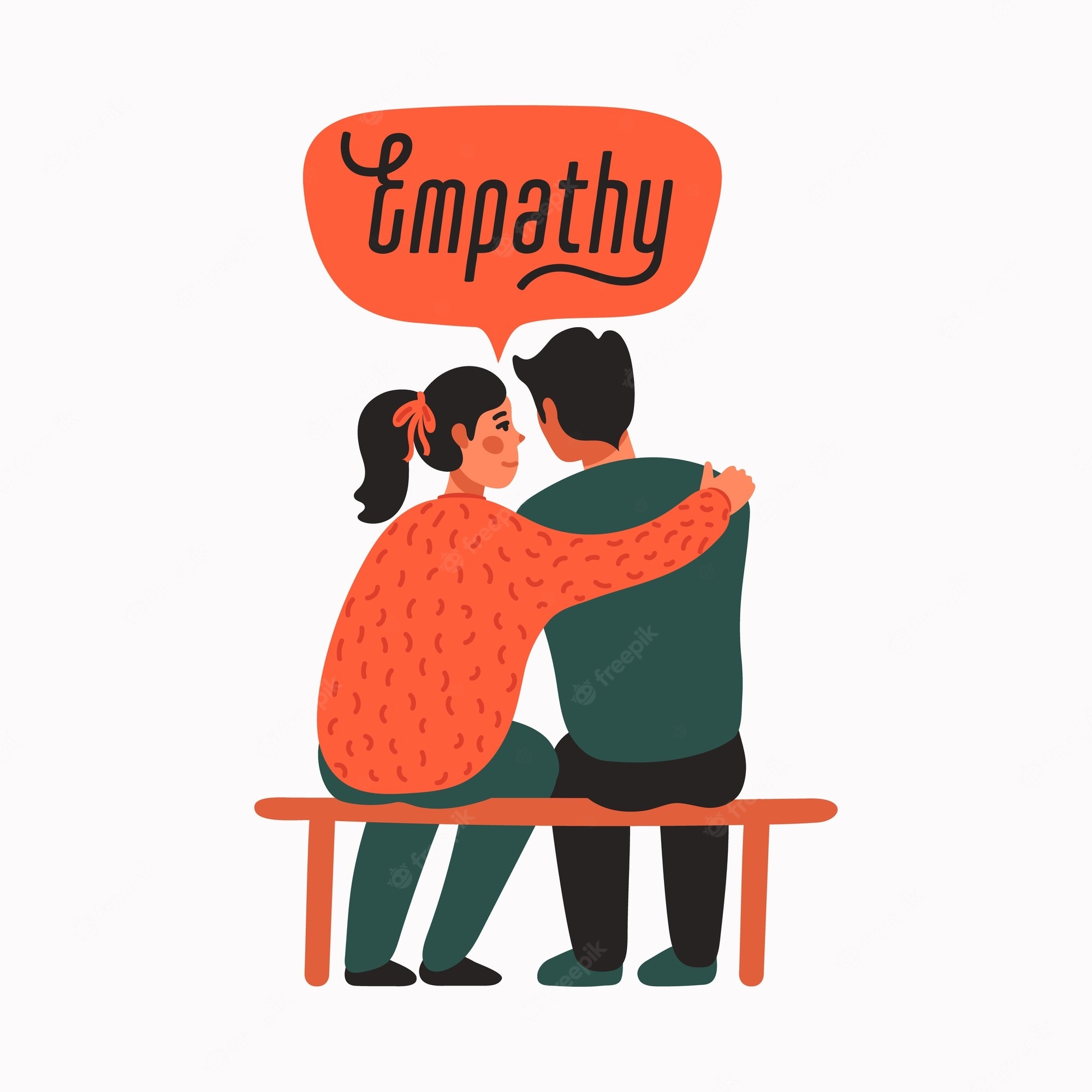
Recently “Empathy” has been in the news in a way that shocked me. Some were calling it a sin, a weakness Emanuel Levinas wrote in 1934 about ‘Hittlerism” and was inspired to write his argument: that seeing the face of another must arouse within us a sense of responsibility to care for them, no matter what. (source 1) He predicted what would become the Holocaust from an inability to respond with caring and apologies when we err. It is interesting that the crying of the defamer serves both as an apology and a plea to not be left alone forever. When we silence our own or others suffering, we are denied the mitzvah of praying for another, of crying with them, of the possibility of healing.

