I remember so clearly sitting on my Grandma’s porch, asking her questions about life. She told me of the test of the worth of a young man was not how he spoke to the “important people” but how he spoke to the waiter and the secretary when he thought no one was watching. (There is always someone watching) Similarly in Disney’s Cinderella, without specifically stating it, the real test of the worthiness of the young woman to be a match for the prince was not wealth, or status, or even a glass slipper. It was kindness to the animals in the home – this kindness illustrates to the audience that she is worthy before any slippers are mentioned.
In the Torah reading for this week, we begin with a broken family. Yitzhak (Isaac), whose name means laughter, whose birth was foretold by angels, who was vigorously protected by his mother Sarah, is bereft. His mother has died – midrash says because she learned of Yitzhak’s near death, at the hands of his own father. Into this sad picture Avraham sends his servant Eliezar back to his homeland (mesopotamia) to find a wife for his son.
Eliezar is Avraham’s trusted servant. His technique for finding a bride is interesting – he will pray to Avraham’s G8d for a sign. Why doesn’t Avraham pray for help – the man who challenged/begged/prayed on behalf of any righteous left in S’dom? (Sodom) How often do we still do this -ask for a sign in a world which can be a desert of harshness that G8d is with us? Is it ok to do this or is it superstition? Does it work? In Genesis it is what Eliezar does.
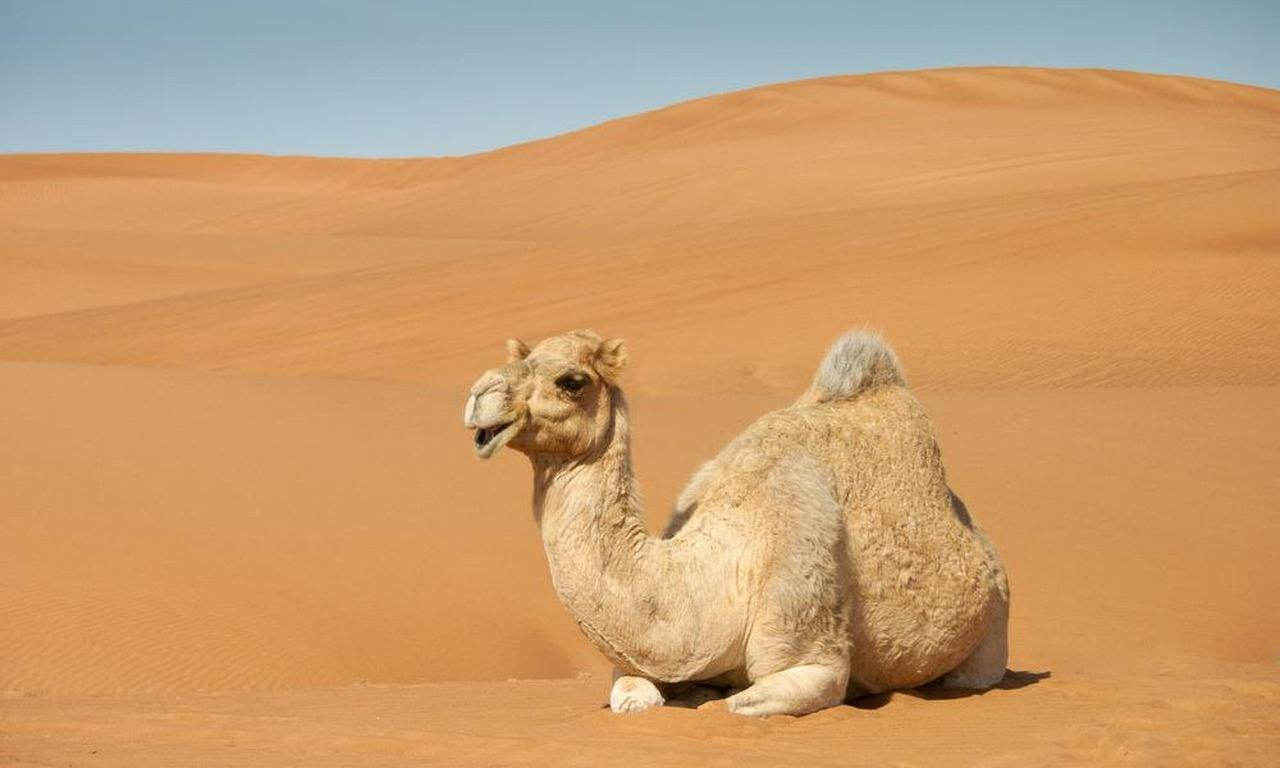
“Gimmel” is the third letter in the aleph-bet, originally a pictogram of a walking camel/gamal. Why does Eliezar take ten camels with him on this trip? Torah says it’s part of the bargain, prayer that Eliezar uses to find the bride. When she sees a thirsty human being to offer him water when he asks for it. And then to go beyond, to offer water to thirsty camels. Does Eliezar know about the camel bargain from the outset? He doesn’t make the deal until the well!
I love camels, because they are masters of creation/ natural selection – related to other mammals, with extreme adaptations to the harshest conditions imaginable. But I’ve never met one personally. I looked into it a bit(Sources) and apparently they are intelligent, patient, affectionate, diligent creatures! (Ryan Murdock) They are loyal, and can hold a grudge too. Their reputation of being nasty, comes from their being abused.
I’ve always suspected these camels could mean something deeper. I was delighted to find in David Wolfe-Blank’s “Meta-parshiot” writing from 5758 (almost 30 years ago) that it is the waters of kindness that camels store. And that Rivkah digs up hidden “wells” of kindness, and helps Yitzhak laugh again, as kindness can restore all of us.
“And the face of Eli Wiesel is a map of the world that somehow managed to laugh”
And Rivkah chooses her own fate with the caravan to return with Eliezar to Avraham’s place. Isaac is out in the field, praying (creating the mincha -afternoon prayer. He looks up, she falls off her camel, and they find comfort in one another’s arms. The only couple the text specifically uses the verb “ahavah“/love for, and who are seen playing around (metzachek, a pun on Yitzhak’s name – laughter)
Election day is past. Kindness and empathy have been in short supply – a desert. Perhaps this week’s results are a sign of kindness taking root once again. May the drought be coming to an end.
Image from pixabay by “stofinho”


Leave a Reply