As I write, this very night, I begin teaching a series of sessions on Kabbalah, Jewish Mysticism. A Pathway to open up heart space to connect with G8d, and by doing so, to return to your true essence. Further this practice is said to open a flow of loving kindness, and actually change the trajectory of the people around you, and ultimately things on earth. The death of two of Aaron’s children before G8d teaches me that anything beautiful can be taken too far, and anyone.
When the Presence and the Fire of G8d descended upon the newly completed Mishkan, Aaron’s two older sons, Nadav and Avihu grabbed their incense offerings and ran into danger, into the Mishkan. They were consumed by G8d’s fire for offering their own “strange fire” aish zarah in Hebrew. Midrash says they were intoxicated, and death their punishment. Perhaps they were intoxicated with a spiritual fervor that made them rush headlong into danger. Rashi says only their insides were burned. Just maybe they sought death as a union with the Holy One. Suicide not due to mental illness, is a death one is forbidden to mourn. Could that be why Aaron and the two remaining sons were forbidden to mourn?
We are, as a human race playing with fire, with powerful dangerous forces of the universe.
There is a reality beyond human games and machinations, and a Unity that we resonate with. We are stardust, we are light, each moment is eternal, each heartbeat a miracle, and our faith reinforces this with the exhortation to “choose life, vacharta BaChayim, I imagine the Holy One saying to Nadav and Avihu, or to the survivors of tragedy “don’t come in now, it’s too dangerous, just choose life, that you and your children might live, and when you need a lifeline you can become leaders that channel My light down. I will be with you.” LINK to sources.
Torah’s true message of life is the true fire, the one commanded, and death is the strange fire, never commanded. So choose life that you and your children can live.
Bonnie asked her “burning question” and it was brilliant! Why do we read about the crossing of the Sea of Reeds in the Torah reading cycle in February, rather than April when Passover actually occurs?
We read a lot of Torah on Passover (Pesach in Hebrew), there are special readings EVERY SINGLE DAY of the seven (or eight) day festival and a special Haftarah on the Shabbat before Pesach, called Shabbat HaGadol (the Great!) Many of the Passover daily readings do indeed tell the story of the Exodus (Ex. chapter 12) The crossing of the sea, including the song of the sea, led by Miryam and the women, are read on the last two days. If Shabbat falls on the in between days, Exodus 33-34 . Exodus 33 is the aftermath of the egel hazahav– the golden calf. We read about G8d’s forgiveness. When we had freedom, the first thing we did was to be “stiff necked” to go back to worshiping idols of gold, and Aaron was involved: the frightened people asked him to build one, and he did. To be free, means free to make mistakes. Perhaps you have been a teenager, newly freed from parental oversight, or know one, or have parented one? My daughters have shared with me some sad stories of overprotected youngsters suddenly free to do anything they wish at college for the first time, who made terrible decisions. We are not just freed from Egypt, we are free to serve the Holy One of Blessing!
So what is the Torah reading this week in the yearly cycle and what does it have to do with Pesach? It is Tzav, meaning command. Moshe (Moses) is told to command his brother and nephews about how to become the kohanim the “priests” officiating at the sacrificial offerings of the Mishkan. But first they had to be “purified” to be open enough to become channels of holiness, and to be forgiven for Aaron’s making of the Golden calf/egel hazahav. See source 4 (Sifra, Midrash from school of Rabbi Akiva). Aharon (Aaron) needs to know his heart has been accepted, just as the wandering generation of Israelites needs to know. To accomplish this transformation to become kohanim, Aaron and his sons are washed (by Moshe!) and are locked in the Tent of meeting for seven full days, to emerge on the eighth day, and then anointed with oil. They would then emerge, be installed and wait to see if G8d would accept their offerings, as fire or pillar of cloud. Those seven days of waiting must be rough – would G8d accept the work of their hands – the art and architecture of the mishkan? (tabernacle) And would G8d then be with them, and travel with them through the wilderness? And what did the soon-to-be priests do locked up in the tent of meeting for seven days? During my ordination, 16 of the 17 candidates were secluded in a room for an hour or two. We also had worked together for the past four months to craft our transition ceremony and prepare for our new roles in life. Would the world and the Holy One of blessing accept the offerings of our hearts? The responses would not be visible as a pillar of cloud, but in the fire in the hearts of the people we served.We sang, laughed. There was bonding, there was palpable tension. We sang in our ceremony from psalm 91, asking G8d to accept the work of our hands and hearts (source 1). In a similar way, Moshe “fills their palms”. Your hands and hearts must be open to be filled and receive gifts. Pregnancy seems like such a waiting as well, much longer than a week! Then your hands are filled with a tiny miracle. And transformation follows – oh the mystery!
Like the kohanim waiting in the Tent of Meeting the Exodus itself has a period of watching and keeping in Exodus 12: In the waiting period between the tenth plague, death of the first born and the leaving. לֵ֣יל שִׁמֻּרִ֥ים הוּא֙ לַֽיהֹוָ֔ה לְהוֹצִיאָ֖ם מֵאֶ֣רֶץ מִצְרָ֑יִם leil shimurim – a night of watching/guarding to G8d, toward leaving the “tight place” – Egypt. I’m guessing there was not much sleep during that midnight watch. Rashi (source 2) says it was much longer than a night, that they were waiting to see if G8d would fulfill a promise of redemption many hundreds of years old!
Seven days, and then the eight day will tell. That should ring a bell! We are about to enter a festival for seven days, and then an eighth day in the diaspora. In addition the fall and winter festivals, Sukkot and Hanukkah are eight day festivals. Seven days of creation – Sheva in Hebrew, represents completion. The eighth, one day beyond. There is both getting together on Pesach, and isolation if you observe the dietary laws, from the non-Jewish community. Rabbeinu Bahya (source 3) references the seven layers of clothing of the kohen, and cites from the zohar This is also the reason that these days of inauguration were described (in the Zohar) as “days of שלמות, “days of perfection, or perfecting.or wholeness. The Haftarah for Shabbat HaGadol is the very last book of the last prophet Micah, envisions a messianic time, a time transformed, where Elijah the prophet will turn the hearts of parents and children to one another.
May your family or friendship circle find wholeness this Pesach, as Moshe anointed his brother and nephews. And when Elijah comes to your seder, may the generations turn their hearts to one another. Pesach and springtime can be magical!
Short answer: no -sacrifice ego. Carve a space, fill with song and G8d and rise!
We have reached in our weekly readings, the third, central book of the Torah called Leviticus in English, because much the book consists of instructions to the Levites on how to perform the specifics of animal, oil, meal and wine sacrifices. In Hebrew it’s named “Vayira” meaning “and He called”
Leviticus is an amazing book, containing the command to “Be Holy” and to “Love your neighbor as yourself”, not to hold grudges, to “love the immigrant” and many aspects of how to live our lives in just and holy ways (as well as some problematic ones!). In very traditional communities, it is the first book taught to young boys. Yet, the very first thing Moshe (alone) hears are instructions for the technology to draw close to G8d – in the Mishkan (portable sanctuary) as well as in the Ancient Biblical Temple. It is called a Korban, which comes from the room ק ר ב K R V meaning to draw close.This first sacrifice described is burnt up completely – it is an “olah” – an unblemished animal of the herd which is used to kaper/atone for unintentional transgressions. I don’t know about you, but I just assume in the course of any day or week, I will unintentionally hurt someone’s feelings, or create pollution that harms the earth, or forget about G8d when I’m in an argument. The question of “how do I live with myself” is more than just hypothetical. I am currently reading the writings of Rabbi Nachman of Bretzlov, whose quote about the imperative of finding joy graces the home page of Shaarei Simcha’s website. He was the great grandson of the Ba’al Shem Tov, a towering figure, and had very high expectations of himself. Yet he struggled every day to find just a spark of good in his “black soul”, so dark was his self image and so exacting was he of himself. From sparks of brightness from the deeds and commandments he followed, he found bright spots. Yet in these bright spots he still found his motives to be less that pure, but deep within this inner darkness were some G8dly sparks and from those he connected the dots to make a melody ( a nikkud is a dot, a spark of G8d in Hebrew, and also means a musical note) This melody lifted his spirit and allowed him to sing songs of praise. There were no medications for the depression Reb Nachman experienced, and he recognized the danger of being swallowed up by its darkness. Reb Nachman lived in the 1700s, and there also were no animal sacrifices to assuage his guilt. Instead he sacrificed his his ego! From this low place of humility he was able then to ascend to experience great joy (expansive consciousness) and to sing. He worked hard at this each day of his (short) life
All of that being said, the verses found in this week’s reading describing the butchering of animals are hard for many folks to stomach. I do not eat meat (except fish) and usually I avoid these verses, choosing other verses to read instead. However, there is merit in approaching what makes me uncomfortable – and facing it. For Biblical omnivores, sacrifices were the only source of meat. This meant recognizing the loss of life, ensuring a painless slaughter, and prayers to sanctify this transfer of energy. Most of the sacrifices were not burned up, as the olah was, but shared with family and friends, given to the Levites, or the poor, no leftovers allowed. The factory farms that produce most of the meat on this planet for us are ethical and environmental nightmares. The callous consumption of the bodies of once living creatures, reducing them to the point where we never have to think of, or experience where our food comes from results in the increasingly common practice of calling meat “protein” as if it were created as a disembodied nutrient for our benefit! And this all happens on an unimaginably large scale. Compared to the “sacrifice” of a creature, which one seems barbaric to you? Still, I wish there were sacrifices in the Bible that did not involve taking a life. So consider – this system was replaced by sacrificing our words and time and egos almost 2000 years ago. What remained was for Biblical adherents to take these verses metaphorically as most verses should be -taken beyond the simplest meaning all the way to the lessons they teach and the mysteries they contain. As the Medieval commentator Ibn Ezra says:
Far be it from God to require a burnt offering. Scripture clearly states, If I were hungry, I would not tell thee…(Ps. 50:12). On the contrary, it has a secret meaning.
This past fall I saw the show “Maybe Happy Ending” (mini concert of show) Like the Robots, the Israelites began as slaves and their happy ending is love.
The Book of Exodus ends with the completion of the Mishkan (tabernacle) being in flame at night and covered with a cloud to shade it during the day, meaning that the Divine presence will be with us in these forms. Fire is the terror of Sinai, the inspiration at the burning bush, the manufacture method of the Golden calf, and the instructions to B’tzalel on how to build the Mishkan (sources on Sefaria Here) My Grandfather’s Hebrew name was B’tzalel and one of my children are named for him. The name means “in G8d’s shadow.” There is only an outline in a shadow, and shelter from the blazing sun. I suggest that the fire is the intuition and passion of the artist – The ability to be inspired is certainly a gift. G8d chooses B’tzalel because of this gift. The Holy One then provides a general outline, a material list – just as a shadow casts a general outline of the One who casts it. It is a combination of fire and cloud – of inspiration and of protection from constant demand of creating this beautiful artwork. That protection from demands is introduced at the beginning of this week’s reading Vayakhel meaning “and you shall gather them in community” It specifies, commands you shall not kindle a fire. In contrast to slave labor, we are to have the opportunity to unwind, to refresh. I tend to do too much. I know this because one of my kids gave me a book as a gift called “The Art of Doing Nothing” But make no mistake, I believe in Shabbos – that palace in time described by Rabbi Heschel. First to just be, then to glimpse beyond myself, and to be “Vayakhel” gathered in a community. To inhale deeply , in medical talk inhale is inspire. It means to be able to lift our heads from the grindstone to see the sparks, the fire cast in the heavens and create things from those patterns using our intuition. In Shaarei simchah, I am yearning to find kindred spirits with whom to sing, and play and imagine.
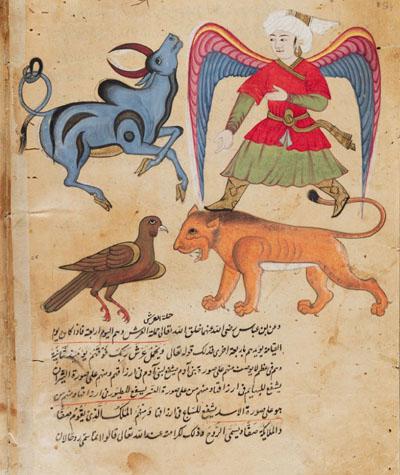
Intuition and imagination what we can gain from a combination of inspiration and time to do “nothing” B’tzalel creates tapestries of weaving that should be impossible. Talmud Yoma describes the tapestry, with its weave going through to the other side making two images. B’tzalel somehow made a weave so that on the other side appears the image of a different animal: a lion on one side, and a condor on the other. Interestingly, those are 2 of the 3 chimeric animals in Ezekiel’s vision of G8d’s chariot. The ox, oh so similar to the calf is the third. That ability – to hold different ideas together and come up with something new is genius, and not robotic.
So the enslaved Israelites, like robots, first live only to work, that is their only purpose. In the show, when the Robot’s work is done, they are left to die. Instead they connect and find love. This is the purpose of the Mishkan – for People and the Divine to live in a loving relationship, the Mishkan is symbolic of a G8d coming “home’ to us. What is my evidence that the Mishkan is built like us- by and for love? Believe it or not, it’s the copper mirrors donated by the women to build the washbasins for the Levites to wash. In Exodus 38:8 Rashi cites a Midrash (see the Rashi on source page) where Moses doesn’t want to accept the mirrors, as instruments of vanity and sexuality. The Holy One replies that the mirrors are the most precious gifts of all. G8d explains that when Pharaoh command brutal workloads, the women would go to their husbands in the fields, bringing refreshments and their mirrors. Each would tease their husband about who was better looking, until the husband’s passion was aroused. This is how a generation was conceived: in play, in leisure carved impossibly by love. The song of songs is then cited by Rashi here (Song 8:5) “I awakened thy love under the apple-tree”, (referring to the fields where the men worked) This is why we make apple charoset on Passover. And that’s why the book of Exodus has a “Happy Ending”, maybe..
Below: the image of the creatures (they will be chimerized together) of Ezekiel’s vision. The golden calf was a tiny piece of reality that was owned to manipulate. Betzalel’s tapestry had woven a lion on one side and a “nesher” r tcondor on the other from the same weave! complex and unlimited.
Nation shall not lift up sword against nation, neither shall they learn war any more ~Isaiah 2:4 I look at scenes of war helplessly this week, from a distance, and wonder “when we will ever learn”?
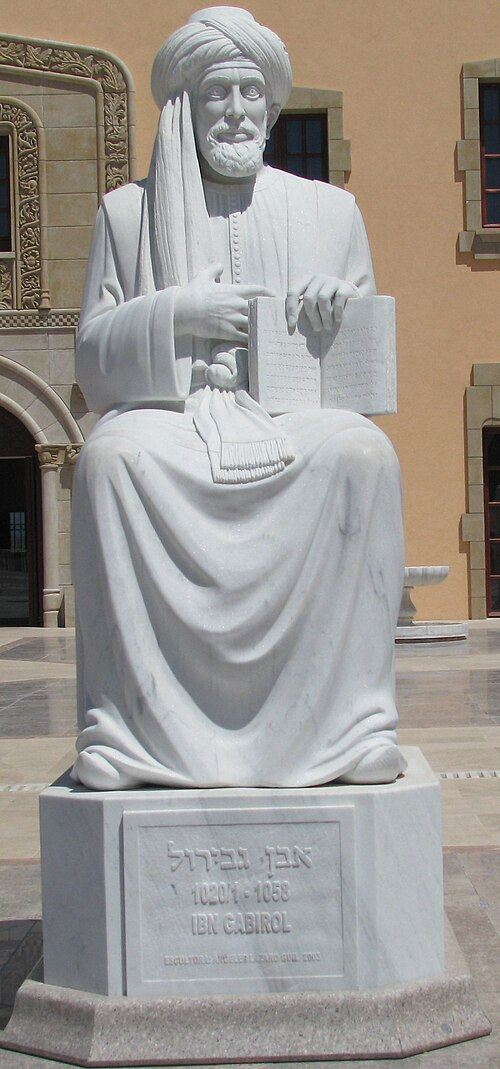
Have you heard this saying: “Those who can do, and those who can’t teach” I have been teaching most of my life, It is a whole bunch of doing: not everybody can or should teach. In fact, Solomon Ibn Gabirol (11th century Anadalusia, pictured below) indicates five steps toward wisdom: In seeking wisdom: the first step is silence, the second listening, the third remembering, the fourth practicing, the final, the ultimate act of wisdom is only acquired by teaching others! I suggest that Moses (Moshe) is going through these steps to become Moshe Rabbeinu, our great teacher
A quick recap in the action: Just a few chapters ago, the world meets G8d at a mountain called Sinai, which was volcanic and terrifying. The people ask Moshe (Moses) to go up and get the remainder of teachings from G8d. He went. He’s a little late coming back, and the folks make a golden calf. G8d sees this, calls the people “stiff necked”, and offers to start over, wiping the folks out and beginning again with Moshe. Moshe protests, to the point making himself sick (“fever in the bones”) G8d relents, agrees to stick around! Happy ending no? No, everyone’s still upset. The first of many things to happen is the first set of tablets, inscribed by the finger of G8d, are smashed. Moshe leaves the camp. He is alone separated from the community. How do you think he feels? The tablets are smashed on the 17th of Tammuz, in the heat of summer, and Moshe goes up the mountain again on Elul 1st- about 2 weeks later.
What must Moshe have felt like as a leader, a teacher? As soon as he’s (perhaps) a few hours late coming down the mountain the Israelites make a solid gold idol, bow to it and announce “this is your G8d” and dance around it! Ok, Moses went up for a long time without food and water, and satan (the adversary) besets them with an image of Moses death, But still, they are eager to replace Moses, they are scared of “that man” and feel they’re being pious by building an object they have made, own and use to tame the Untame-able, and their fear. They dance!
Often I feel a failure as a teacher, like Moshe. I have taught that the life on earth is precious for most of my life, and feel the world slipping into chaos. And people dance and behave like everything’s ok. What a dissonance! How lonely must Moshe feel! What have you expended your heart and soul into that people just didn’t get? What did you do?
Something that struck me is that this scene on the mountain, where the hero is in despair hidden in a cave on the mountain of G8d happens again in Kings, with a different prophet, this time it’s Elijah. Elijah is so despondent, he asks G8d to take his life. Moshe (Moses) is so despondent, he asks to see G8d’s kavod. In the scene with Elijah on the mountain, he experiences a storm wind that shatters rock (!) and an earthquake and a fire. And G8d is not in these dramatic, powerful things! Where is G8d to be found? In the kol d’mamma daka the voice of soft murmuring – the still, small voice. Eliyahu (Elijah) fails to listen to G8d’s advice, and instead stages a dramatic mountain top contest with, you guessed it, fire! But Moses will evolve to greatness and “gets it” and becomes the consummate teacher taking those steps of Gabirol
Silence – in his loneliness Moshe can know silence. The loneliness functions to arouse desire.
Listening – in his despair, Moshe has the audacity to ask to see G8d’s kavod– honor or glory, or Presence. G8d replies “I will make all my goodness (emphasis mine) pass before you” What he hears is a new covenant to replace the fiery one at Sinai – the 13 Attributes of G8d. Forgiveness and love become an essential part of our experience of G8d. He hears the still small voice and brings this as the gift of words back to the people.
Remembering – midrash says Moshe was instructed by day, and studied at night, filling in the white fire, the oral law and interpretations. Unlike the first set of tablets inscribed by G8d, Moshe must learn and interpret. He would not just parrot what he understood, but teach a method of extrapolating for changing times, first passed down as oral law.
Practice- Moshe returns and his face is radiant with “keren or” horns of light. He veils his face but removes it to teach and to learn from the Holy One
Teach – Moshe Rabbeinu becomes our ultimate teacher. His radiant face reflects his Teacher, and he removes the veil to speak heart to heart/ face to face with the People..
To teach is Holy, but wisdom begins in silence, longing and listening. To love is Divine. Moshe takes one step further. Although G8d says “no one can see my face and live” and the Holy One shields Moshe in the cleft of the rock from seeing the “face”, At the end of the Torah it will say that Moshe saw G8d face to face. “From the fire to the limit to the wall” sang Chaka Khan to love, the redemptive force that holds the world together. watch scenes of war on my television helplessly and pray that we remember that golden rule. May this be G8d’s will.
Much honor to Rabbi Aviva Gotlieb Zornberg, for her book on Exodus The Particulars of Desire (the whole series of books is wonderful), and from whom I deepened my understanding of this parashah.
This coming week is the festival of Purim, in which the scroll of Esther is read. In a crucial scene, the book’s male protagonist, Mordechai refuses to bow to the arrogant Vizier of Persia. Due to this arrogance, the Vizier plots revenge against all Mordechai’s people, the Jews. We wear costumes, and are commanded to get fragrant levasumei in Hebrew (with wine?) until we can’t tell the difference between ‘cursed be the bad guy’, Haman in this case, and blessed be Mordechai! Interestingly the entire book of Esther is political satire against the powers that were: It begins with the King’s 180 day drinking party, the only rule is “no rules” and when it ends the King declares … another party!
Earlier this week, during Vizier’s state of the Union Address to congress, a woman of color refused to sit down when told, to silently protest the use of racism in the policies and speech. She was arrested and manhandled, re-injuring a shoulder which was injured in a January by federal agents. Story here. We are badly in need of political satire, to laugh at the impossible and cruel way of the rich and powerful, and along comes Purim. (I call Purim the “Jewish mardi gras”)
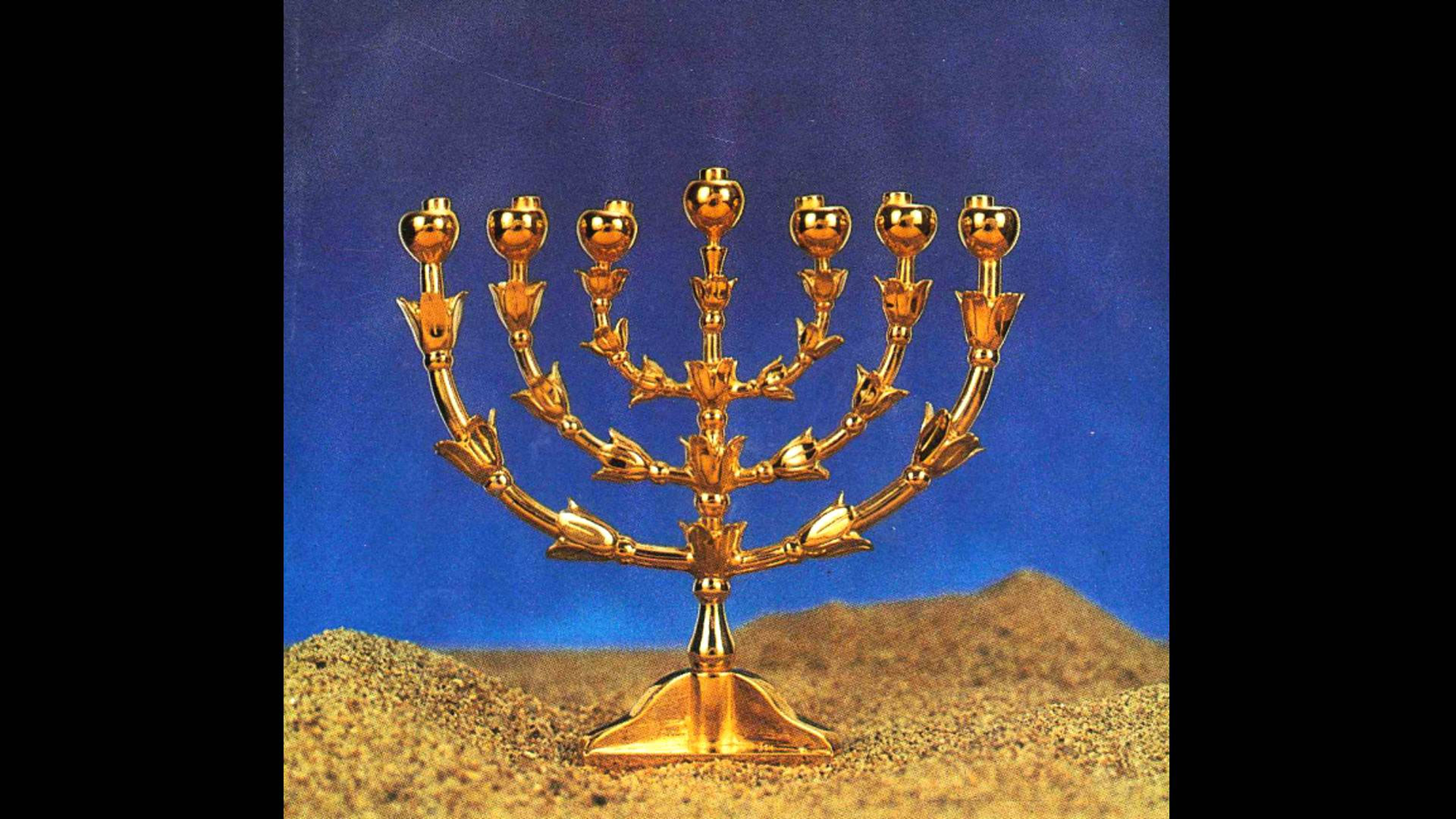
This week’s Torah reading begins with G8d saying: command the Israelites to bring clear beaten oil from olives to keep a light burning at night in the Mishkan the portable sanctuary, and to light it each and every night upon the golden menorah that looks like an almond tree. The original night light is where no one can see it: within the Tent of Meeting in the mishkan’s innermost chamber. It then goes on to speak of the inspired tailors who should be chosen to make the “uniforms” of those who will serve G8d in this traveling sanctuary, and to spell out the materials and specifics of the wardrobe.
Hidden beauty and Passion connects all of these things: The menorah, the Holiday of Purim, the robes of the Kohen Gadol
Hiddenness in the Menorah: The olive contains within it the pure oil hidden within it. The olives are like the Israelites who are bidden to bring the olives, and who have within them pure fuel, passion in faith and to love one another and to love G8d. From the combination of wick and olive oil will emerge flame – also a hidden potential within the fuel, the flame lets out the beauty that was always there. Hidden in the design of the menorah itself is the pattern of an almond tree. There was worship of a tree Goddess in Biblical times, Asherah was her name, until the time Josiah uncovered the book of Deuteronomy and it was outlawed. Hidden in placement, the menorah is within the innermost center of the mishkan, where only the kohanim and G8d can see it! I suggest: don’t hide your flame, but don’t let it consume you either
Hiddenness in the holiday of Purim: So many things are hidden in the Book of Esther: starting with Esther’s name, which means “hidden”. She hides her Hebrew name and her Jewishness, she is hidden within the palace, G8d’s name is hidden in the book, it does not appear. Esther hides her intentions after she approaches the king, taking a subtle tack. We wear masks which both hide who we are, and reveal hidden identities waiting to come out. We hide our serious, judgemental side for the day. We are bidden to be silly, to play, to let it “all hang out”
Hiddenness in the clothing of the Kohanim (priests) This one seems a bit more obvious: Clothing hides the “human animal” giving dignity, artistic flair, both concealing who we are and revealing it. The clothing of the Kohanim is supposed to somehow transform them into creatures worthy of representing the community to G8d, and being able to withstand the presence of G8d. The voice of G8d will then come from that potential space between the K’ruvim Golden cherubs who spread their wings over the arc of the pact. But as we know from history and today’s headlines, some seek the power that the uniform, the fancy clothing conveys, and are nothing but a human animal within their clothes. Others have imposter syndrome and don’t feel worthy although they are.
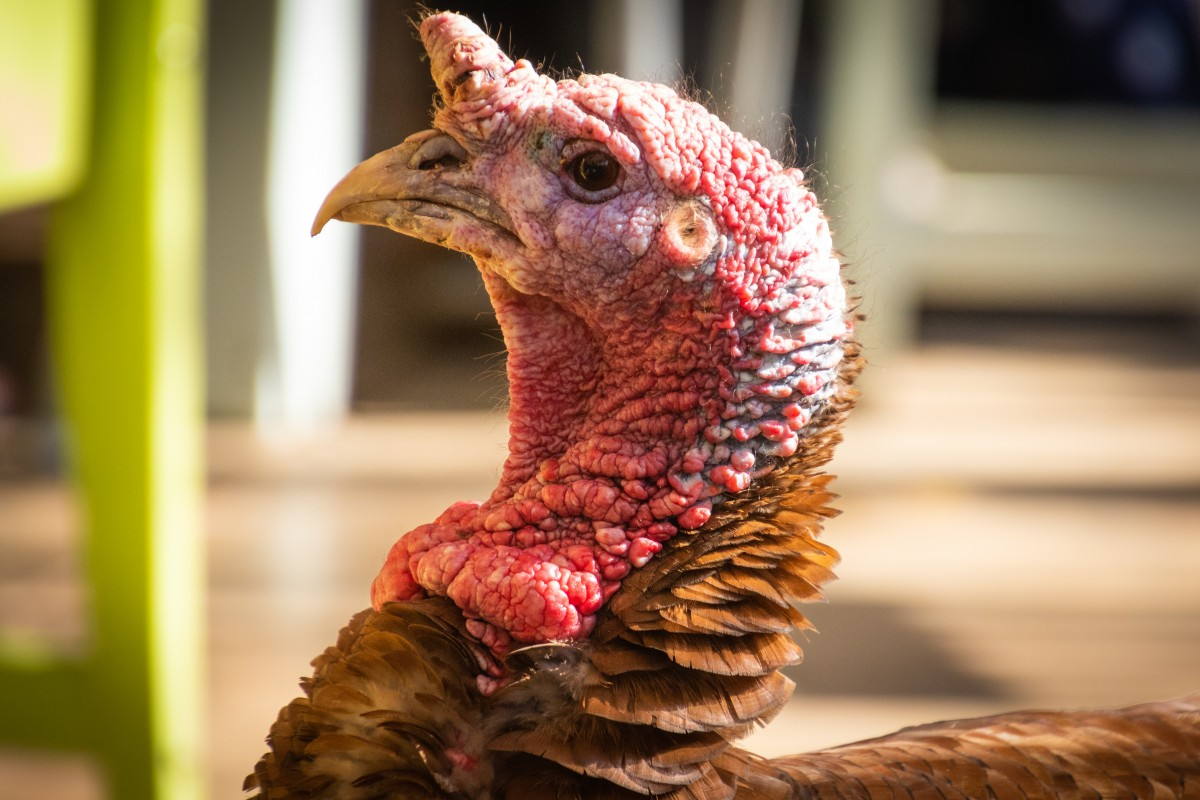
Back to the headlines: Many leaders in the world wear the trappings of Dignity and Leadership, yet inside is the only same craving of power we know from Biblical times. A story by Reb Nachman of Bretzlov tells of the son of King who is convinced he is a Turkish bird, strips all his clothing, retreats under the table and refuses to do or say anything except for pecking grain under the table. Feel free to read here. In one version of the story, the prince still crows every once in awhile. How much do the trappings of dignity, honor and rule make a person that way? How much do they hide the hypocrisy inside? Which of us is exempt from this self examination? It seems that history is reflecting the text of Torah and Esther this week. May G8d’s rules of justice and kindness be revealed through our actions, in this time of hidden things.
The awe, and the trembling and the fire are over in this week’s Torah reading, Teruma (meaning gifts to the sanctuary). The reading, and much of the rest of Exodus are instructions for building a portable tent/sanctuary to take G8d with them. This sanctuary would be made together, from Divine design, from donations given from the hearts of those who were moved and inspired. As I was preparing for this post, I re-read a story I had told from awhile back that moved me and meant something different this time. It’s about a young man in search of G8d, who leaves his parents upon hearing of a wonderful Rebbe to journey and learn the secrets of finding G8d. When he arrives at the Rebbe’s house, the kindly Rebbe tells him “Dovid, you’re not ready yet. First built a house to live in, then return and we shall talk further” He tells his story, makes friends, and together they help him build a house. But, of course, when Dovid returns the wise teacher has another task: get yourself a job, and then another and another. After awhile, Dovid has a new life with friends, a new family, a career. With his advice, Dovid finds G8d, not in the starry heavens, but in the loving, supportive network of the relationships in his life – the sum total of them is sublime and Divine. Don’t get me wrong, G8d is both immanent and transcendent: in the starry heavens as well as in the loving bonds between friends and family and the earth and G8d.
The verse in Terumah that is so inspiring is God’s command to the Israelites: Build me a sanctuary that I may dwell among them. It doesn’t say “that I may dwell in it”, rather “in them” The human heart is one place G8d can dwell, or in the relationships among members of the families and communities. But what occurred to me for the first time, is that our lives can be a mishkan, a sanctuary through time: The years of our lives can be the mishkan ! If we are open to letting G8d in, open to the hearts and faces of the people we encounter our very lives can be a holy space. What do you think – How can we accomplish this?
In Exodus chapter 24, Moshe, Aaron, Nadav and Avihu as well as 70 elders Ascend and SEE G8D! Just what led up to this?
Many laws and rules, of Mishpatim, including the first time that we are commanded (out of 36 times according to Rashi) not to oppress the ger, the immigrant. Sources here This command not to harm is repeated in this week’s reading, eventually evolving into the repeated command to love the immigrant. No other love is commanded twice by G8d! The term “ger”, has been variously translated. It means the one who does not come from the land, not native, ie. an immigrant. (Rabbi Shai Held)
Why and How: Why does G8d command love, and How can we cultivate love? The answer to the first question is given in the text: because we were immigrants, and we were oppressed. The command repeated more often than any other mitzvah is what is the take-away from our experiences of oppression. “Hate cannot drive out hate, only love can do that” says the Rev Dr. Martin Luther King, and “The only thing stronger than hate is love” was flashed on the Superbowl halftime screen. Not an easy pathway. We know the “soul” the feeling of being the oppressed outsider, with no-one to defend ourselves against the powers that be. Perhaps you, like I, knew that feeling at public school (beautifully shown in the animated film Inside Out) The Jewish people have been refugees for a couple of thousand years. Forced to flee the home that we could not abide due to oppression, hatred, taxed into abject poverty, rounded up into concentration camps, we fled. We have had reason to be angry and insular “What do you do with the mad that you feel,… when the whole wide world seems oh so wrong and nothing you do seems very right?” asks Mr. Rogers. The enslaved could turn to oppressors. It is easy to fall -as abused children grow into abusers and pit bulls into monsters. This is why the command not to oppress is repeated so often.
But what of the second question: how can you cultivate love? A pathway has been placed within the same Torah reading: to do loving deeds, and then we will be able to hear G8d’s voice. First, a little background as to where we are in the Torah saga. Two weeks ago in Exodus we were redeemed at the Sea of Reeds against all odds. Three months later, we stood at Mount Sinai and received the first Ten offerings from the Voice of the Holy One. Unable to withstand the intensity of Revelation, The people ask Moses to go up alone to get the rest of G8d’s instructions. Now we get a whole bunch of criminal and civil laws, including the first two instances of not oppressing the immigrant. At the end of this week’s reading, Exodus:24 Moses and Aaron and 70 elders will ascend the mountain part way and bow from afar. Moses arranges sacrifices to represent a covenant, and reads the laws of the covenant to the people. The people respond in a that has sparked much commentary through the ages: All that G8d has spoken, we will do and we will hear. (Exodus 24:8) Such faith did they show, that the “doing” would precede the hearing. This is the answer that the text provides: Love first, and we will be able to hear everything better: we will understand “being in someone else’s shoes” we will gain empathy AND we will be able to more deeply experience a spiritual life. Proof-text for this is Exodus where Moshe (Moses) Aharon (Aaron), Aharon’s sons and 70 elders SEE the Blessed Holy one (Exodus 24:10). First love, see the divine in the immigrant’s face, then more love will follow. And perhaps when we climb our own life’s mountains, we can even glimpse the Divine Presence.
An original song, dedicated to 5 year old Liam Conejo Ramos, Age 5, forced to lead agents to his family’s door
This week in Torah we read about the encounter on a mountain in the desert of Sinai.
I have a favorite verse in the lead up to revelation, Ex 19:4
“You yourselves have seen what I did to Egypt, how I bore you on eagles’ (or more likely condor’s/vulture’s) wings and brought you to me”.
Yes, aquatic birds, such as ducks and swans and coots do carry their nestlings on their backs. Condors, hawks and eagles don’t literally. (Check out these sweet images from Animals Daily). It does remind me of the trips across the ocean many of our grandparents took, and many are still taking, to the safety of foreign shores for the sake of their children The term for eagle’s wings in Hebrew is kanfei n’sharim. The word kanaf is found in the third paragraph of the Shema, where we are commanded to place a thread of blue on the fringes of the kanaf! Birds don’t carry their young through the sky, but our tallit, with its “wings” just might, if the journey is a spiritual one. Uplifted by feeling the Presence of the Holy One of Blessing, we can live this beautiful metaphor. The fact that it’s poetic metaphor the words: “you have all seen”. Our eyes can fool us, we will soon see the thunder at Sinai.
And indeed, according to Midrash (Mehilta Ex 15:2) the least of the slave girls who crossed the Sea of Reeds saw more than the prophet Ezekiel did in his crazy psychedelic visions!* Following this intimate encounter, the folks who experienced Redemption at the sea travel for three days to camp in a place called Refidim. There they complain to Moshe of thirst, and sarcastically ask if there weren’t enough graves in Egypt that he had to lead them to this wilderness. Their complaints have been seen as lacking not water, but Torah of their hands! According to Or HaChayim, (Morocco, 1700s) Refidim is an allusion to רפיון ידים R’fiyon yadayim, or “slacking of the hands” from Torah. What kind of Torah do you do with your hands? Perhaps caring for one another! They have not yet arrived at Sinai, so have not actually heard Torah revealed yet.
We have been carried on The Wings of G8d, protected, borne skyward, inspired. But we will die of thirst if we don’t walk the talk. We have reached Sinai, but there are warnings: “don’t climb the mountain, or even touch it” Why should there be limits on connecting to the Holy One? Midrash says we were all standing at Sinai, not just those standing there that day, but those not even born yet. We all heard the voice of G8d speak the Ten Important Things, or at least the first letter, and we all had the synesthetic experience: All the people saw the thunder! We were all amateur prophets. But in the same way that Jacob never climbs his ladder, we are not to climb Sinai. There must be limits on the mountain perhaps because we’d get stuck there and forget to care for the widow, orphan and the immigrant. The Torah of the hands is crucial, and accepting limitations is hard to grapple with. When Moshe burns with the fire of inspiration at the beginning of his journey, the miracle of the “burning bush” is that it is not consumed or destroyed by the burning. The world needs a lot of healing. There is a lot to be fearful of and angry at. Please take good care to not let these feelings consume. Perhaps the joy of flight can, balanced by the “Torah of the Hands” Can help.
A condor in flight. A Nesher in Hebrew is similar. This is a California condor, which is, G8d-willing, being brought back from the very brink of extinction by
Puzzlingly, Moshe was asked, not to go to Pharoah, but to come. I did not go to my mother’s funeral/ levaya rathercame home full circle and accompanied my mother home: the Hebrew word levaya means to accompany. I come home to love, to music, to childhood, the four year old within me that loves mommy with all her heart. Bo, the name of the Torah reading for this week Begin’s with the eighth plague, that of locusts who are carried in by the east wind and take away all the nourishment that the hail did not destroy. Bo is spelled Bet, Aleph, the first two letters of the Aleph bet arranged backwards. I always wondered why this reading begins with the eight plague. Perhaps this: seven is completion, and represents the the seven lower sephirot, or aspects, of the Holy One of Blessing. The number Eight, as I’ve discussed before is extraordinary nature of what lies beyond this completion. The final sephirot are the upper ones, beyond understanding, mysterious, which began creation according to Zohar,* our book of Mysticism. Consider that each plague undoes creation in one aspect, until order is undone piece by piece. The eighth sephirah is Bina, understanding Let me digress, I will come back to the undoing of wisdom. Another thought, According to Meyor Einayim, it was Torah that was in exile (Sources here) Pehaps the linking of the aspects of G8d, the sephirot is to bring back (to come) G8d, into that land, undoing Egypt, replacing the Powers that be with those of G8d -“great kindness, truth, compassion…” (from the 13 attributes of G8d) which were in exile.
The “hardening” of the heart of the tyrant is described with three different verbs, and begins with Pharaoh hardening his own heart. In Exodus 10:1, getting into the rut of abuse happens. On an episode of Hidden Brain, Shankar Vidantam interviewed a doctor who helped athletes obtain steroids illegally. The first time was so hard, but it was easier to break the law each time. By now, the tyrant must know that his people were suffering, half of their grain and most of their animals were gone from disease and hail. This time, Exodus 10:1 tells, explicitly, and in the first person, G8d tells, “I will make Pharaoh’s heart and those of his advisors heavy (stubborn). Pharaoh must overcome fear and common sense to not let the Israelites free, and to accept the consequences of the rest of their food being destroyed. The locusts, which I’ve discussed before here, darken the land . The verb in this verse does not mean harden, rather Kaf, vet, Dalet, which means to “Make heavy” but also shares a root with “to honor” The tyrant was able to ignore his compassion and his fear and to choose instead to follow only the desires of his own heart, his pride, his ego. “The beginning of wisdom is “yirat HaShem” the awe/fear of G8d.(Proverbs 9:10) This means fear of doing wrong, or of taking the consequences of your foolish headstrong actions. This “making heavy of the heart” is an undoing of wisdom- the only way Pharaoh would behave in such an unreasonable and dis-compassionate manner had to be a Divine act in Biblical eyes. (Wisdom is the 8th of the sefirot, Locusts are the 8th plague!)
Why does G8d strengthen and honor and harden the hearts of Pharaoh and his advisors, but not those who are suffering, the Egyptian populace? Don’t their hearts need protection- don’t our hearts need help when we are frightened? Instead the Holy One inclines the hearts of the populace toward the slaves in compassion, and many join them in escaping Egypt. When the Israelites ask for reparations, and gifts, the hearts of the Egyptians, which had felt such trauma were softened enough to be generous, and start this beginning nation with resources.
*IT emanated from the most concealed of all concealed things (Keter/crown)- from the secret of the Endlessness Light – took a shapeless form. THE SPARK (Chochmah/wisdom) was then inserted into THE CENTER OF a circle (Bina/understanding) ~Zohar 1:1
Bo – come. Today I came home, approaching that tyrant, “Death” by thanking the Holy One of Blessing for life. Death’s heart is truly hard, but only when my heart is softened can I find the riches of music, love and blessing.
Eulogy to my mother, Gloria, child of Charley and Bertie
Midrash explains there are three souls present at each conception, the father, the mother and Shechinah the indwelling presence of G8d. A personal prayer, O Holy One of blessing thank you, Modah ani, for bringing me into the world through my Mom. She was Gevuradich a strong woman, a woman of valor. The gifts she gave me were priceless – my own strength and resilience, and the ability to be who I am.
Thank you for accepting me as I was, and my kids. You never tried to mold me in your image or force me to be anything but myself, with one exception, Music. I had to sneak listening to the Beatles with a transistor radio under the covers Instead you immersed me in the rich and beautiful worlds of jazz and classical music, thank you!
Thank you for showing me how to pursue something you loved passionately- with all your heart and soul, and all! You weren’t just a baseball fan, you were dubbed the Queen of Queens, by Steve Overmyer, and honored by the Mets, by throwing out the first pitch. You didn’t just love mystery novels, you reviewed a thousand of them in a published blog and got to meet the authors.
And when the crucible of time and disease melted you down to your essence it was pure love and music. We had a language we could communicate with beyond any words: For you I leanred the lyrics to many songs in the great American song book When I sang with you we could access joy together. The last words my mother spoke to me were written by Irving Berlin 101 years ago, I share them with you now, one last time. Song: Always